
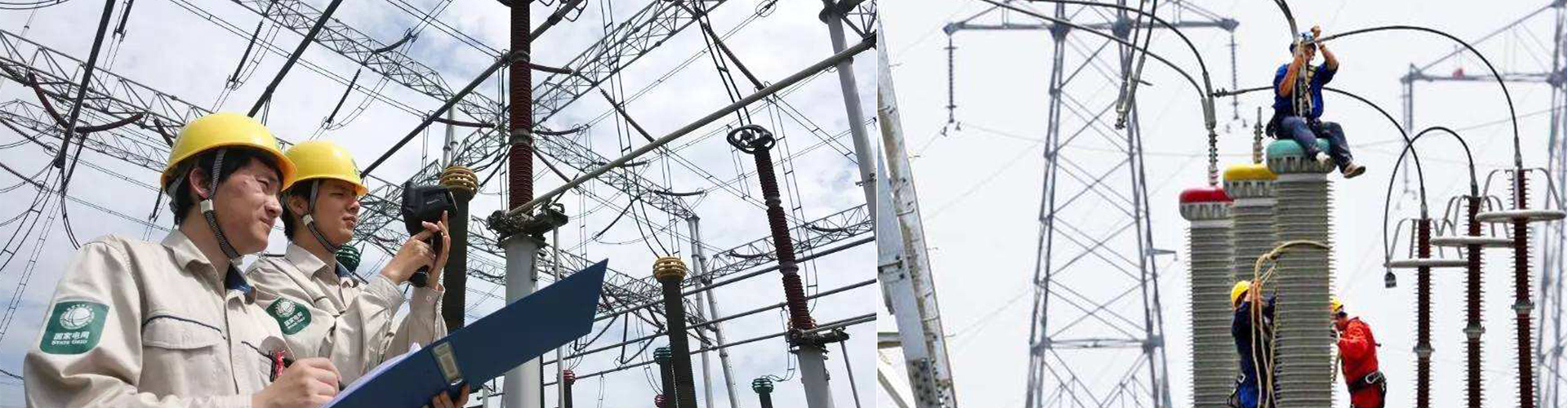
In high-voltage power systems, partial discharge (PD) is an important indicator for evaluating the insulation health of electrical equipment. Partial discharge refers to a localized dielectric breakdown phenomenon that occurs inside or on the surface of insulating materials in electrical equipment. Although this phenomenon may not immediately lead to equipment failure in its early stages, its long-term presence can gradually deteriorate insulation performance and eventually result in serious safety accidents. As a professional detection tool, the partial discharge tester plays a crucial role in preventing power equipment failures and extending equipment service life.
I. Introduction
With the continuous expansion of the power grid and technological advancements, the requirements for the safety and reliability of power equipment are increasingly stringent. Partial discharge, as an early warning signal, can reflect potential issues in the insulation system. Therefore, regular detection and monitoring using partial discharge testers have become one of the important measures to ensure the stable operation of the power system.
II. Main Functions of Partial Discharge Testers
High-Sensitivity Detection: Advanced sensor technology is employed to capture extremely weak partial discharge signals, ensuring the accuracy of detection results.
Multi-Mode Measurement: Supports both online monitoring and offline testing modes, suitable for different application scenarios and needs.
Real-Time Data Analysis: Equipped with powerful data processing capabilities, it can analyze the characteristics of partial discharge signals in real time and provide detailed diagnostic information.
Visual Interface: User-friendly operation interface, typically equipped with a touch screen or graphical display, facilitating intuitive understanding and operation for users.
Portable Design: Considering the practical needs of field operations, many partial discharge testers are designed to be compact and lightweight, easy to carry to different locations for use.
Safety Protection Mechanisms: Equipped with multiple safety protection measures, such as overvoltage protection and overcurrent protection, ensuring the safety of personnel and equipment during testing.
III. Application Scenarios
Power Industry: Used for partial discharge detection in high-voltage power equipment such as transformers, cables, and switchgear, timely identifying insulation defects and preventing major accidents.
Industrial Manufacturing: Used for quality inspection of high-voltage electrical products during the production process, ensuring the safety of outgoing products.
Scientific Research and Education: Provides precise measurement means for experimental teaching and technical research in university laboratories and research institutions.
Maintenance and Repair: For electrical equipment already in service, regular inspections through partial discharge testing are conducted to identify problems in advance and take corresponding maintenance measures.
IV. Conclusion
The partial discharge tester is a key tool in the maintenance of modern power systems. It not only helps improve the reliability of power equipment but also effectively reduces power outages caused by insulation failures. With the development of technology, partial discharge testers are evolving towards greater intelligence and automation, providing users with more efficient and convenient services. Whether for power companies or industrial enterprises, mastering the correct use of this tool is of great significance for enhancing overall operation and maintenance levels. Through continuous technological innovation, partial discharge testers will continue to safeguard the safe and stable operation of power systems.

