
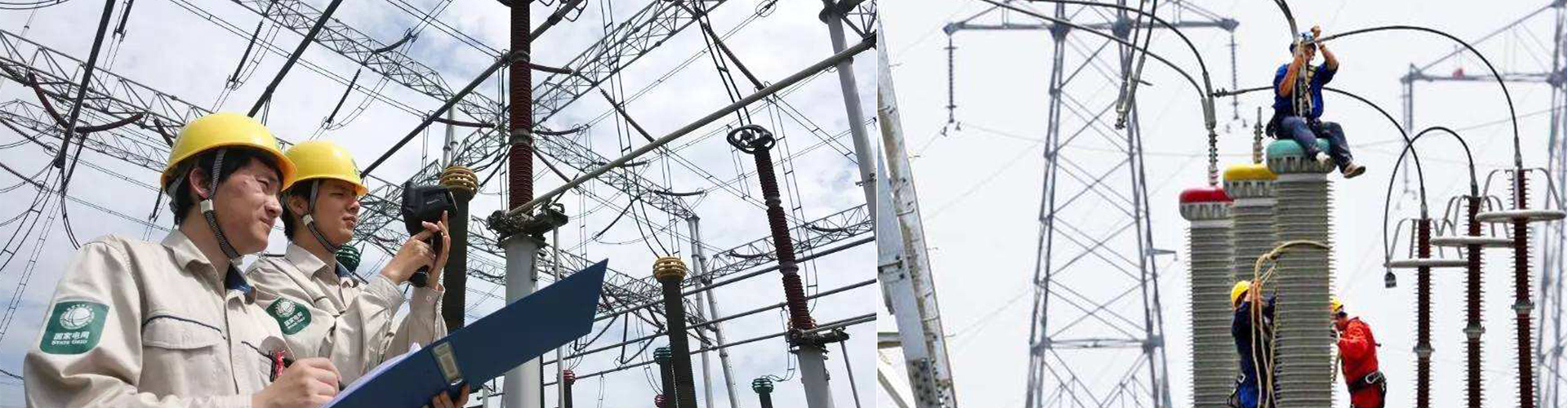
is an instrument specifically designed to measure the resistance value of insulating materials in electrical equipment or power systems. It is crucial for ensuring the safe operation of electrical equipment, as aging, damage, or moisture in insulating materials can lead to a decrease in insulation resistance, increasing the risk of leakage and even causing safety accidents. By regularly using an insulation resistance tester for testing, the insulation status of equipment can be effectively assessed, potential problems can be detected in a timely manner, and corresponding measures can be taken.
Functional Features of Insulation Resistance Tester
High Voltage Output: To penetrate the tiny current leakage paths on the surface of insulating materials, the insulation resistance tester can provide DC voltages ranging from a few hundred volts to several thousand volts.
Accurate Measurement: It can accurately measure resistance values up to tens of thousands of megohms (MΩ), meeting the needs of different occasions.
Multiple Test Modes: Including timed tests, continuous tests, etc., to adapt to different testing requirements.
Automatic Calculation of Absorption Ratio and Polarization Index: These two parameters help to more comprehensively assess the insulation status.
Data Recording and Analysis: Modern insulation resistance testers are usually equipped with data storage functions and can transfer data to a computer via USB or Bluetooth for further analysis.
Application Fields
Power Industry: Used to test the insulation performance of generators, transformers, cables, and other high-voltage equipment.
Manufacturing: For quality control of motors, electrical products, etc., during the manufacturing process.
Building Facilities: To check the safety of electrical systems inside buildings after installation or during maintenance.
Maintenance and Repair: Helps technicians quickly locate fault points and guide repair work.
Technology Development Trends
With the advancement of technology, insulation resistance testers are also continuously developing:
Intelligence and Automation: Integrating intelligent diagnostic functions, supporting remote monitoring and data analysis, improving work efficiency.
Enhanced Portability: More compact and lightweight design, easy to carry to the site for operation.
User-Friendly Interface: Adopting touch screens or other intuitive operation methods to simplify the usage process.
Improved Safety and Reliability: Adding overload protection, shockproof, waterproof, and other functions to adapt to various harsh environments.
Purchase Suggestions
When choosing an insulation resistance tester, the following aspects should be considered:
Whether the test voltage range is suitable for the requirements of the equipment under test;
Whether the measurement accuracy and resolution can meet the specific application needs;
The durability and protection level of the equipment, especially in outdoor or industrial environments;
Whether it is easy to operate and maintain, especially for non-professionals;
Consider cost-effectiveness, balancing price and functionality.
In summary, the insulation resistance tester is an important tool for ensuring the insulation performance of electrical equipment and their components. By regularly using such equipment for testing, various safety hazards caused by insulation failure can be effectively prevented, ensuring the safe and stable operation of electrical systems.

