
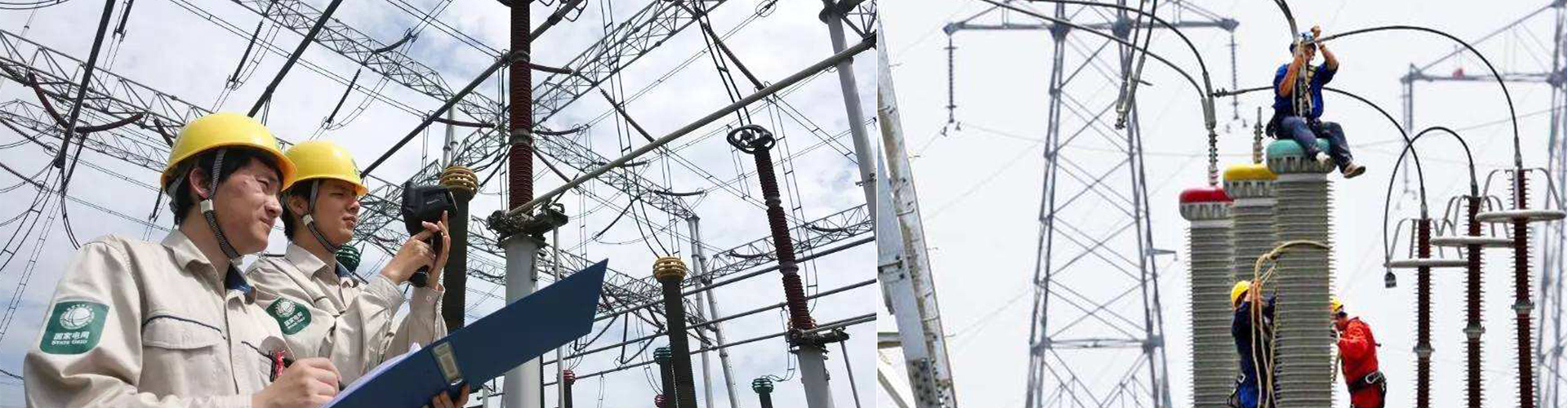
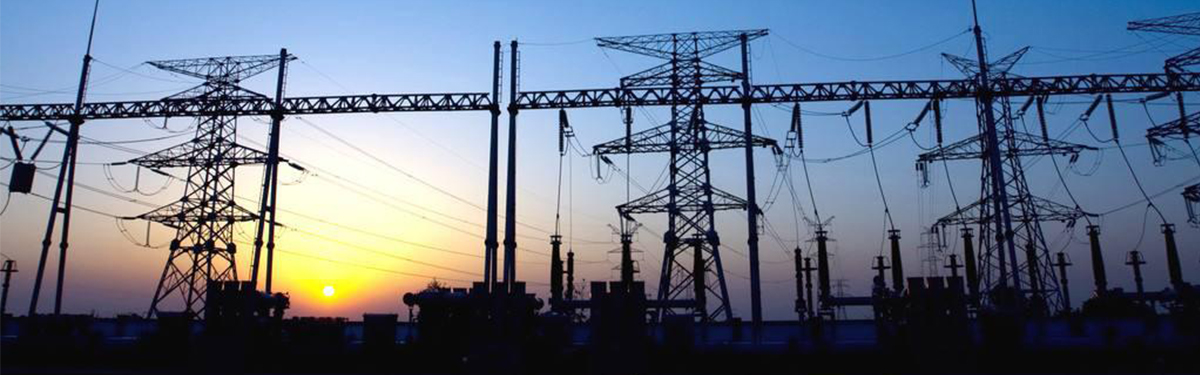
In the process of power systems, industrial manufacturing, and maintenance, ensuring the insulation performance of electrical equipment is crucial for preventing leakage accidents, safeguarding personnel safety, and maintaining normal equipment operation. As a professional instrument specifically used to measure the insulation resistance of electrical equipment, the insulation resistance tester plays an important role in evaluating and detecting the health status of insulation materials. This article will detail the working principle, application scenarios, and importance of the insulation resistance tester.
1. What is an Insulation Resistance Tester?
An insulation resistance tester (also known as a megohmmeter or Megger) is a professional tool used to measure the resistance value of insulation materials in electrical equipment or circuits. It calculates the insulation resistance by applying a known DC voltage and measuring the resulting leakage current. This test helps identify potential insulation defects, such as aging, moisture, or damage, thereby preventing electrical faults and safety accidents.
Voltage Application:
The tester applies a stable DC voltage to the insulation material under test (typically ranging from 50V to 10kV, depending on the equipment being tested).
Current Measurement:
Simultaneously, it measures the tiny leakage current flowing through the insulation material. Since good insulation materials have very high resistance, the leakage current is usually very small.
Resistance Calculation:
Based on the measured voltage and leakage current values, the insulation resistance is calculated using Ohm's law.
To ensure the accuracy and reliability of test results, modern insulation resistance testers are typically equipped with multiple functions, such as automatic discharge, polarization index (PI), and dielectric absorption ratio (DAR) measurement.
3. Main Functions and Features
High Voltage Output:
Provides an adjustable voltage range from as low as 50V up to 10kV, suitable for testing electrical equipment of different levels.
Precise Measurement:
High-precision sensors and advanced algorithms ensure accurate readings even under extremely high resistance conditions.
Portable Design:
Lightweight and compact design facilitates on-site testing, meeting outdoor operation requirements.
Automatic Discharge Function:
Automatically discharges the tested equipment after the test to protect the safety of operators.
Data Recording and Analysis:
Supports data storage, review, and export to a computer for further analysis.
4. Application Scenarios
Power System Maintenance:
Regularly conduct insulation resistance tests on key components such as transformers, circuit breakers, and cables in substations to ensure their insulation performance meets standard requirements.
Industrial Equipment Overhaul:
Conduct regular inspections on large electrical equipment such as motors and generators in factories to promptly identify and resolve potential insulation issues.
Building Electrical Installation:
After the installation of electrical systems in buildings, use an insulation resistance tester to verify that the insulation condition of all lines and equipment meets the standards.
Laboratory Research:
Research institutions need to use insulation resistance testers to collect and analyze experimental data when developing new materials or processes.
5. Selection Considerations
When selecting an insulation resistance tester, the following factors should be considered:
Applicable Voltage Range:
Choose an appropriate test voltage range based on the working voltage of the equipment under test.
Measurement Accuracy:
Ensure that the selected device can provide sufficient measurement accuracy to meet the needs of specific applications.
Ease of Use:
Including factors such as user interface friendliness and portability.
Additional Functions:
Such as whether it has automatic discharge, PI and DAR measurement functions.
6. Future Trends
With the advancement of technology, insulation resistance testers are also continuously developing. Future trends include:
Intelligent Upgrades:
Introducing Internet of Things (IoT) technology to enable remote monitoring and data analysis, facilitating cross-regional collaboration and management.
Enhanced User Experience:
Adopting touch screen technology and intuitive operation interfaces to simplify user operation processes.
Higher Safety:
Enhancing automatic discharge and other safety features to further improve the safety protection for operators.
7. Summary
The insulation resistance tester, as an important tool for ensuring the safety of electrical equipment and systems, plays a key role in the lifecycle management of various electrical equipment. It not only helps identify potential insulation problems but also provides a scientific basis for formulating effective preventive maintenance plans. High-quality insulation resistance tester products provided by professional manufacturers such as Yangzhou Dray Electric Co., Ltd. are based on an understanding of these basic principles and continuous technological innovation, providing solid protection and support for enterprises and individual users. Whether for power companies or industrial enterprises, the rational use of this tool will have a positive impact on their daily operation and maintenance work. Choosing the right insulation resistance tester means choosing quality and trust. This not only helps to promptly identify potential problems but also effectively prevents safety hazards caused by insulation failure, ensuring the stable operation of the power system.

