
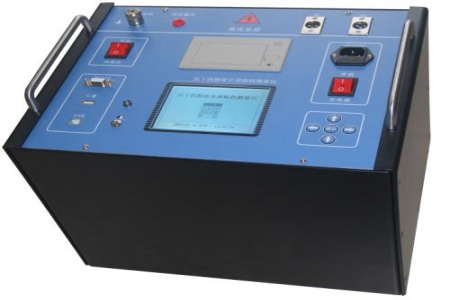
At power plant booster stations or hub substations, oil-filled equipment such as main transformers, converter transformers, and reactors require continuous monitoring of dissolved gas trends in oil. When selecting equipment, procurement personnel should not only focus on detection principles and communication interfaces but also evaluate the daily maintenance workload, calibration cycle, and environmental adaptability after the device is put into operation. The DRD-9700 online transformer oil chromatography monitoring device is designed for these scenarios, with an operating ambient temperature range of -40°C to +70°C, and can be installed long-term in outdoor cabinets or beside equipment.
Traditional laboratory chromatography analysis requires manual sampling, transportation, and laboratory instrument analysis, involving many steps and long cycles, making it difficult to capture short-term gas fluctuations; although portable detection equipment is flexible, it cannot achieve continuous online monitoring, and data continuity depends on the frequency of manual inspections. The DRD-9700 adopts an online continuous monitoring method, automatically completing oil sample circulation, gas separation, and detection, reducing errors and safety risks caused by manual sampling, while providing trend data for reference in condition assessment.
After the device is put into operation, it is recommended to regularly check the carrier gas cylinder pressure or carrier gas generator output to ensure good gas path sealing; oil path interfaces should be kept clean to avoid leakage. According to field operating experience, carrier gas consumption is related to the frequency of oil sample circulation, and the consumable replacement cycle can be estimated based on the monitoring cycle during procurement. Sensor calibration should be performed according to the manufacturer's recommended cycle, and calibration records should be retained. The device has a self-check function and can output alarm signals when gas path or oil path abnormalities occur, facilitating timely handling by operation and maintenance personnel.
Procurement personnel should focus on verifying whether the number of monitored components, detection lower limit, communication protocols (such as IEC 61850, Modbus, etc.), and cabinet protection rating meet site requirements. The DRD-9700 supports multi-component gas monitoring, and data can be uploaded to the station monitoring system, providing a reference basis for condition-based maintenance of oil-filled equipment. Specific technical parameters are subject to the product technical manual, and selection should be comprehensively evaluated in combination with on-site ambient temperature, electromagnetic compatibility conditions, and maintenance convenience.

