
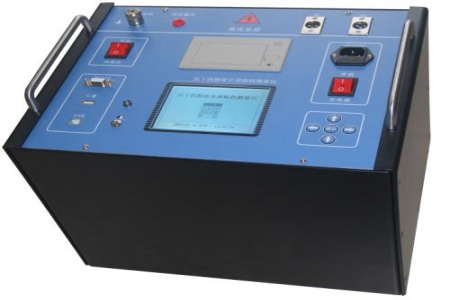
When purchasing a DC resistance tester, in addition to range and accuracy, the maintenance cost and operating practices in daily use also affect the long-term user experience. The HCR-50A DC resistance tester is designed for DC resistance measurement of transformers, switch circuits, instrument transformers, and other equipment. It adopts a four-wire Kelvin connection, which can reduce measurement deviation caused by lead resistance and contact resistance in the low-resistance range of 1 μΩ to 200 mΩ. For procurement personnel, understanding the precautions for wiring, power supply, and storage helps reduce unplanned downtime and repairs.
The device uses four-wire measurement. The current terminals and voltage terminals should be connected separately to both ends of the object under test, avoiding shared leads. Before each measurement, check whether the insulation layer of the test leads is damaged and whether the terminals are oxidized or loose. Replace them promptly if poor contact is found. During measurement, the test clips should be clamped firmly on a clean metal surface. If necessary, use fine sandpaper to remove the oxide layer, but do not over-polish, as this may affect the conductor cross-section. After measurement, stop the output before disconnecting the leads to prevent the inductive back-EMF from impacting the instrument.
The instrument has an operating temperature range of -10℃ to 50℃, meeting the needs of outdoor maintenance in northern winters and high-temperature environments in summer distribution rooms. During procurement, the storage location can be evaluated based on local climate conditions. It is recommended to place the instrument in a dry, ventilated environment free of corrosive gases, and to power it on periodically for inspection during long periods of non-use. The instrument has a built-in rechargeable battery and should not be stored in a deeply discharged state for long periods. A full charge-discharge cycle is recommended every three months to maintain battery activity.
The HCR-50A DC resistance tester has a measurement range of 1 μΩ to 20 kΩ, with multiple selectable test current ranges from 1 A to 50 A, and a basic accuracy of ±0.2% reading ±2 digits. During procurement acceptance, verify that the nameplate parameters match the order requirements and check the factory calibration report. During use, annual calibration is recommended. Calibration items include the indication error and zero drift of each current range. If measurement data shows abnormal fluctuations, first check the test lead connections and on-site electromagnetic interference, and then consider the calibration status of the instrument.

