
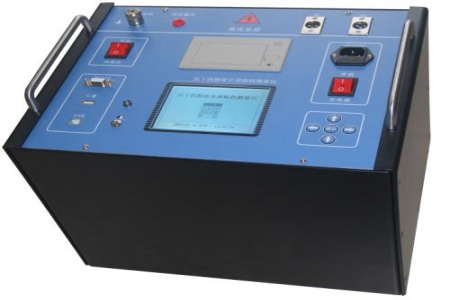
In GIS switchgear rooms, SF6 cylinder storage areas, or electrical equipment installation sites, O&M personnel often need to quickly confirm whether gas leakage exists and make a quantitative judgment of the leakage rate. The DRD-6C gas quantitative leak detector is based on the electron capture (ECD) principle and is suitable for concentration detection and leak point location of electron-capturing gases such as SF6 and R12, providing a portable measurement solution for on-site technical engineers.
The instrument adopts electron capture detection technology and responds to gases such as SF6. The measurement range covers 0–2 V analog output, and users can choose to display leakage rate or concentration value according to on-site needs. The alarm level can be adjusted within the range; when the leakage exceeds the set threshold, the instrument activates audible and visual alarms. Response and recovery times are short, which is beneficial for continuous inspection operations. The device has a built-in RS232 serial printer interface and can be connected to a micro printer to output measurement records; it also supports storage of measured values for later traceability.
It has been calibrated at the factory for gases such as SF6 or R12, and users can also recalibrate according to the actual gas used. The calibration procedure is simple and can be completed through panel operation. The diagnostic menu can assist in judging the instrument's working status and facilitate quick elimination of common faults. It should be noted that the type of calibration gas must be confirmed at the time of ordering, and recalibration should be performed after changing the gas type on site.
1. After power-on, warm up to a stable state before entering measurement mode.
2. According to the type of gas being measured, confirm whether the instrument's calibration gas matches.
3. Set the alarm threshold; it is recommended to refer to the allowable leakage rate requirements of the equipment.
4. During measurement, keep the distance between the probe and the suspected leak point consistent and move at a uniform speed.
5. After an alarm is detected, use the locating function to gradually narrow down the leak point range.
6. When data recording is needed, connect a printer or use the storage function to save measured values.
The instrument has a portable structure and is suitable for use in substations, switching stations, and industrial sites. Routine maintenance mainly includes keeping the probe clean, regularly checking the calibration status, and avoiding long-term exposure in high-concentration contaminated environments. If abnormal drift occurs in measured values, check the sensor status through the diagnostic menu and recalibrate. The above technical parameters are compiled and released by Yangzhou Darui Electric Co., Ltd.

