

As the infrastructure for the safe operation of substations, the grounding grid's parameters such as grounding impedance and step voltage are directly related to personnel safety and equipment stability. However, the grounding grid is buried underground and surrounded by strong electromagnetic interference. Conventional instruments are often limited by insufficient current injection capability and weak anti-interference ability during measurement, making it difficult to obtain accurate data. At the same time, measuring step voltage and contact voltage requires simulating actual fault current, which places high demands on the output capability and synchronization accuracy of the testing equipment.
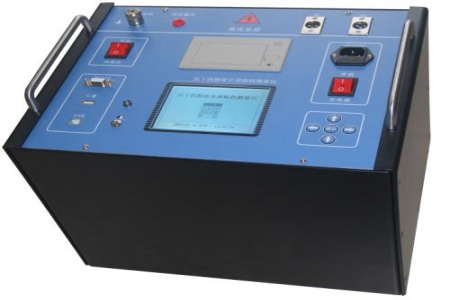
The DRD-60B Large Grounding Grid Impedance Tester is designed to address the above problems and can measure current piles, voltage piles, grounding resistance, step voltage, and contact voltage. Specific functions include: precise measurement of grounding impedance, grounding resistance, and grounding reactance of large grounding grids; measurement of surface potential gradients in the field area; measurement of contact potential difference, contact voltage, step potential difference, and step voltage; measurement of soil resistivity; measurement of grounding grid transfer potential; measurement of grounding down-conductor continuity resistance. When equipped with the JGE-1 electrical parameter matcher, it can also be used to measure the AC impedance of a single magnetic pole of a hydro-generator.
Impedance measurement range: 0Ω~150mm; Weight: 5kg. The equipment is equipped with an ultra-low harmonic safety isolation type voltage regulator (capacity and output voltage can be specified by the user) and a reactive power compensation device (capacity can be specified) to ensure the power quality and compensation requirements of on-site testing. The overall design facilitates procurement personnel to select models according to actual engineering configurations.
This tester is suitable for completion acceptance, periodic testing, and condition assessment of large grounding grids in power plants and substations, and can also be used in lightning protection grounding projects, communication base station grounding grids, and other occasions. During procurement, the capacity configuration of the voltage regulator and compensation device can be determined according to the area of the grounding grid to be tested, soil conditions, and test item requirements. The measurement data provided by the equipment helps operation and maintenance personnel judge the health status of the grounding grid and provides a basis for transformation and maintenance.

