

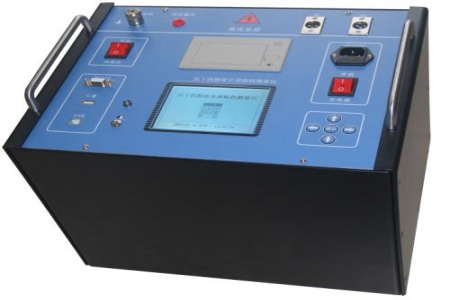
The DRD-80B Large Grounding Grid Impedance Tester is suitable for measuring power-frequency grounding impedance, conduction resistance, and soil resistivity of grounding grids in substations, power plants, large building complexes, etc. In the strong electromagnetic environment of operating substations, the instrument adopts heterodyne anti-interference technology, and the additional error caused by 30V power-frequency interference voltage is no more than 0.002Ω, ensuring stable on-site data and good repeatability.
The traditional power-frequency high-current method requires an independent power supply and long wiring, is susceptible to interference in operating substations, and has relatively large measurement errors; the clamp meter method is only suitable for independent grounding electrodes and cannot reflect the overall impedance of a large grounding grid. The DRD-80B uses heterodyne low-current injection, requires no disconnection of grounding down conductors, simplifies wiring, and can complete testing under the condition that equipment is not de-energized, making it suitable for on-site operation and maintenance personnel to quickly assess the grounding grid status.
Impedance measurement range 0~200Ω, resolution 0.001Ω; voltage measurement range 0~400V; output current is available in multiple selectable ranges to meet the needs of grounding grids of different scales. The instrument has a built-in rechargeable battery, supports continuous operation for more than 6 hours, weighs about 6kg, and is easy to carry to outdoor sites. Large-screen LCD display shows impedance, voltage, current, and waveform in real time, and data can be stored and exported.
Periodic inspection of substation grounding grids, handover acceptance of newly built grounding grids, evaluation of grounding characteristics of power plant step-up stations, and detection of grounding devices for communication base stations and rail transit. In grounding grid hazard inspections before the thunderstorm season, it can quickly determine whether the grounding impedance meets design requirements and provide a basis for subsequent renovation.
During use, the current electrode and voltage electrode should be arranged correctly according to the manual, with sufficient spacing maintained to avoid coupling between leads. Before testing, confirm that the instrument has sufficient battery power; during testing, pay attention to high-voltage warnings; after completion, discharge promptly. The instrument provides overcurrent and overvoltage protection, reducing on-site operational risks.

