
Large Power Transformers (110kV and Above)
- Small Distribution Transformers/Motors: Choose a portable instrument with an output current of 5A-10A.
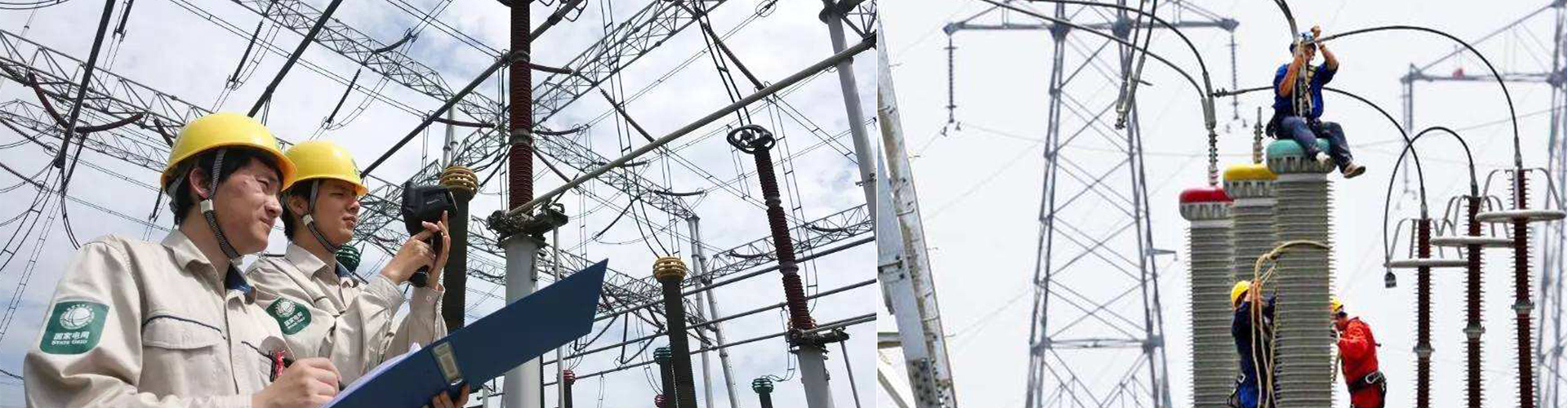
- Large Power Transformers (110kV and Above): It is recommended to choose an instrument with 20A-40A or even higher current to shorten the charging stabilization time; if three-phase resistance measurement is needed, consider a three-channel DC resistance tester, which can test three phases simultaneously and automatically calculate the unbalance rate, offering the highest efficiency.
- Field Operations Without Power Supply: Be sure to choose a model with a built-in lithium battery.
If you need parameter comparisons for specific models, operational video guidance, or purchase channel recommendations, please tell me your specific application scenario (for example: what capacity transformer are you testing? Is portability required?).
Operational Precautions
- Wiring Sequence: Always connect the ground wire first, then the test leads (current before voltage, or follow the I/V sequence indicated on the instrument); when disconnecting, reverse the order: remove test leads first, then the ground wire.
- Discharge Safety: After the test, the instrument will automatically discharge, but you must wait until the display shows "Discharge Complete" or the alarm sound stops before removing the test leads, to prevent residual charge from harming personnel or damaging the instrument.
- Tap Changer Switching: When measuring different taps of a transformer, it is recommended to switch the tap changer in a de-energized state, or use an instrument with continuous measurement capability (which allows switching to the next tap without full discharge, greatly improving efficiency).
- Temperature Effects: Resistance values are significantly affected by temperature; when recording data, be sure to also record the top oil temperature or winding temperature for temperature conversion and comparison.

