
It is used to measure parameters such as grounding resistance, soil resistivity, and the integrity of the grounding system. This type of instrument is particularly important in places that require reliable grounding systems, such as power systems, communication base stations, and industrial plants. The following is an article about large ground grid testers, covering their basic concepts, working principles, application scenarios, and usage precautions.
Overview of Large Ground Grid Tester
Definition and Function
A large ground grid tester is an instrument used to detect large-scale grounding systems, capable of measuring grounding resistance, soil resistivity, continuity of the grounding system, and other related parameters. Through these measurements, the performance of the grounding system can be evaluated to ensure it meets safety standards, thereby protecting equipment and personnel safety.
Importance
The grounding system plays a crucial role in power systems, communication base stations, industrial plants, and other settings. It provides a safe potential reference point and quickly conducts current into the earth during faults, reducing harm to equipment and personnel. Therefore, regular testing with a large ground grid tester is essential to ensure the reliability of the grounding system.
Working Principle
Testing Methods
Large ground grid testers typically use the following methods to test grounding systems:
Three-point method: Uses three electrodes (test electrode, auxiliary electrode, and reference electrode) to measure grounding resistance.
Four-point method: Uses four electrodes (two test electrodes, auxiliary electrode, and reference electrode) to measure soil resistivity and grounding resistance.
Clamp-on current method: Uses a clamp-on current sensor to measure the current in the grounding conductor, indirectly calculating grounding resistance.
Frequency domain reflectometry (FDR): Injects currents of different frequencies and measures the return signal to evaluate soil resistivity.
Operating Procedure
Preparation phase: Select the appropriate testing method based on testing requirements and prepare the corresponding test electrodes.
Electrode placement: Arrange the test electrodes on the ground according to the testing method requirements.
Connecting the instrument: Connect the test electrodes to the corresponding ports on the large ground grid tester.
Executing the test: Start the tester and perform measurements according to the set parameters.
Reading results: Read the measurement results from the tester and record them.
Data analysis: Analyze the performance of the grounding system based on the measurement results, and make adjustments if necessary.
Application Scenarios
Large ground grid testers are widely used in multiple fields:
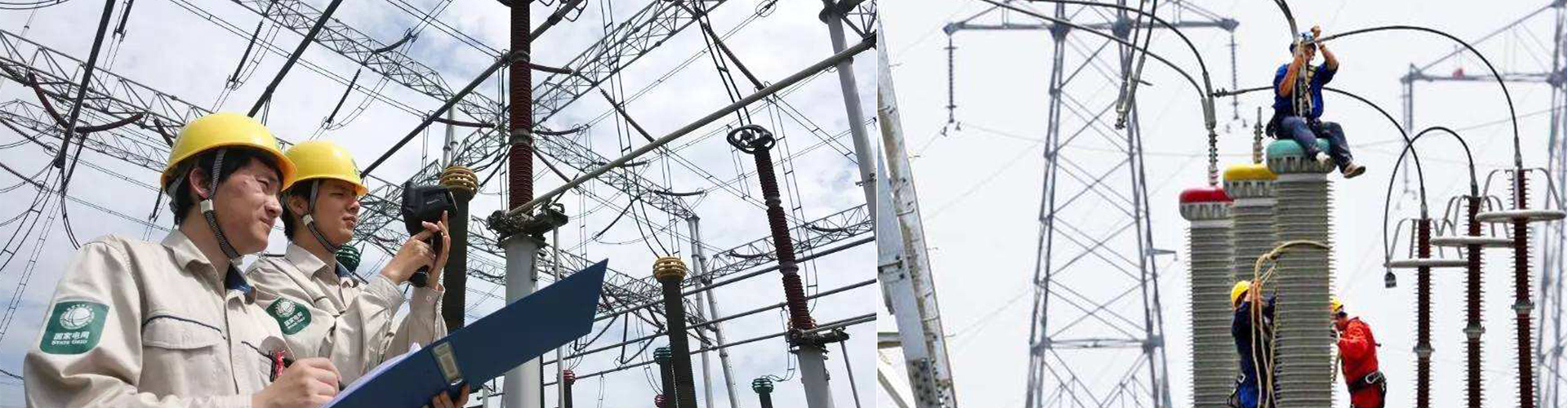
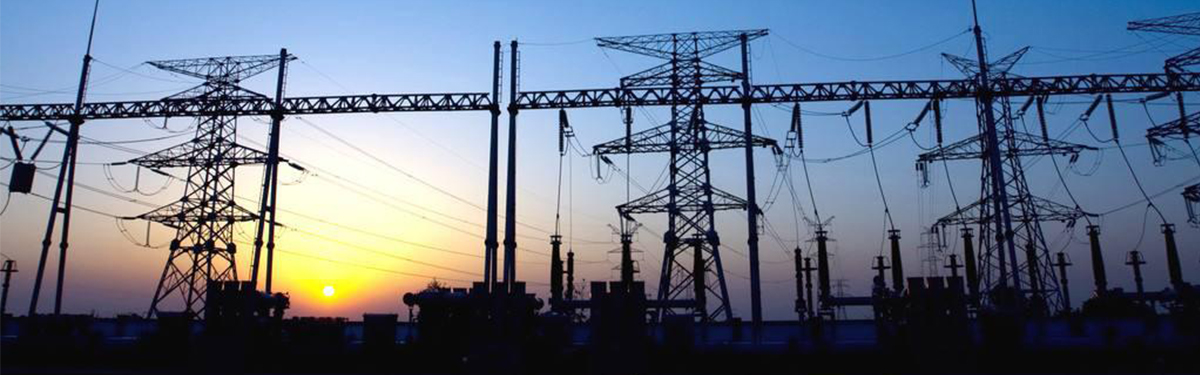
Power systems: Used to test grounding systems of power facilities such as substations and transmission lines.
Communication base stations: Used to test grounding systems of communication base stations to ensure safe operation of communication equipment.
Industrial plants: Used to test grounding systems of industrial facilities such as factories and workshops to prevent electrical accidents.
Buildings: Used to test grounding systems of high-rise buildings and public facilities to ensure personnel safety.
Usage Precautions
Safety first: Ensure the system under test is in a safe state before testing, and avoid live operation.
Correct electrode placement: Place electrodes correctly according to the testing method requirements to avoid errors.
Regular calibration: Calibrate the tester regularly to ensure the accuracy of measurement results.
Environmental factors: Pay attention to humidity and soil conditions in the test environment, and avoid extreme conditions affecting measurement results.
Complete records: Record detailed data for each test, including test date, time, environmental conditions, etc., for future reference.
Development Trends
With technological advancements, large ground grid testers are also continuously developing:
Intelligence: Integrating advanced sensor technology and intelligent control systems to achieve remote monitoring and automated management.
Portability: More compact and lightweight design for easy portability and on-site operation.
Multifunctionality: In addition to basic grounding resistance testing functions, other functions such as soil resistivity measurement and fault diagnosis have been added.
High precision: Using more advanced measurement techniques and algorithms to improve measurement accuracy and reliability.
In summary, as an important tool for ensuring the safe and reliable operation of grounding systems, large ground grid testers play a significant role in power systems, communication base stations, industrial plants, and other fields. With continuous technological progress, future large ground grid testers will become more intelligent, portable, and have higher measurement accuracy, better serving the application needs of various industries.

