
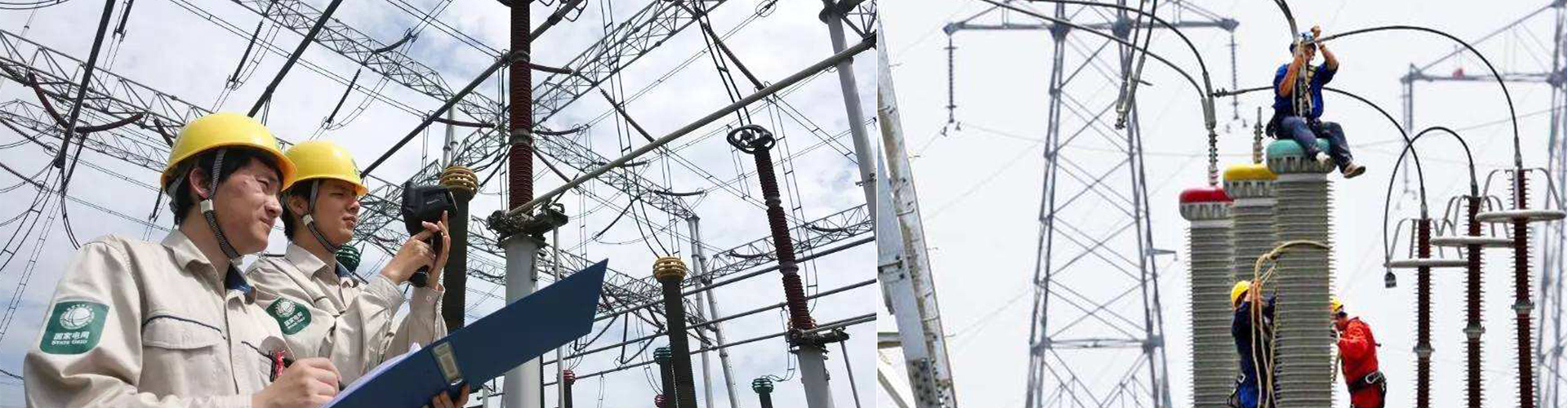
is a professional device specifically used to detect partial discharge (PD) phenomena in electrical equipment. Partial discharge refers to the discharge phenomenon that occurs in the insulation material of electrical equipment when the electric field strength exceeds a certain threshold, without penetrating the entire insulation. Although this discharge is relatively small in scale, its long-term presence can lead to aging of the insulation material and eventually cause equipment failure. Therefore, partial discharge testing is of great significance for the maintenance and fault prediction of power systems.
Causes of Partial Discharge
Partial discharge typically occurs in the following situations:
There are voids, bubbles, or other impurities in the insulation material;
The insulation layer is mechanically damaged;
Inconsistent expansion and contraction of materials due to temperature changes;
Unreasonable insulation structure design or manufacturing process defects.
Importance of Testing
Conducting partial discharge testing can help:
Detect early insulation defects and prevent equipment failures;
Assess the health status of existing equipment and guide maintenance plans;
Improve production processes and enhance product quality;
Perform acceptance tests before new equipment is put into operation to ensure compliance with standard requirements.
Testing Methods
Partial discharge testing instruments typically use multiple methods to detect partial discharge activity:
Electrical method: Detects partial discharge by measuring corona current, pulse current, or radio frequency signals.
Acoustic method: Uses acoustic sensors to capture sound wave signals generated by partial discharge.
Optical method: Observes light radiation generated by partial discharge through ultraviolet detection or other optical means.
Chemical method: Detects dissolved gases in oil and analyzes gas composition to determine the presence of partial discharge.
Testing Equipment
A partial discharge testing instrument typically consists of the following parts:
Signal acquisition unit: Includes sensors (such as current transformers, capacitive voltage dividers, acoustic sensors, etc.) used to capture partial discharge signals.
Signal processing unit: Used to amplify, filter, and digitize the acquired signals.
Data processing and analysis software: Analyzes partial discharge characteristics through algorithms, such as discharge patterns and discharge intensity.
Display and control interface: Provides a user-friendly interface for displaying test results and allowing users to control the testing process.
Application Scenarios
Partial discharge testing instruments are widely used in various aspects of power systems:
Power equipment: Such as routine inspections and fault diagnosis of transformers, switchgear, cable terminations, etc.
New energy field: Maintenance of wind turbines, solar photovoltaic equipment, etc.
Rail transit: Detection of train traction systems and track power supply equipment.
Research institutions: Studying the application of new materials and processes in power equipment.
Precautions
When conducting partial discharge testing, attention should be paid to:
Safety measures: Appropriate safety measures should be taken during testing to prevent dangers such as electric shock.
Background interference: Eliminate environmental electromagnetic interference and other factors to ensure the accuracy of test results.
Equipment calibration: Regularly calibrate testing equipment to ensure the reliability of measurement data.
Comprehensive analysis: Combine historical operating data of the equipment and other test results to comprehensively evaluate the equipment condition.
Partial discharge testing instruments are one of the important tools for modern power equipment maintenance and fault prevention. By timely detecting and handling partial discharge issues, they can effectively extend the service life of equipment, reduce unplanned downtime, and improve the overall reliability of power systems.

