
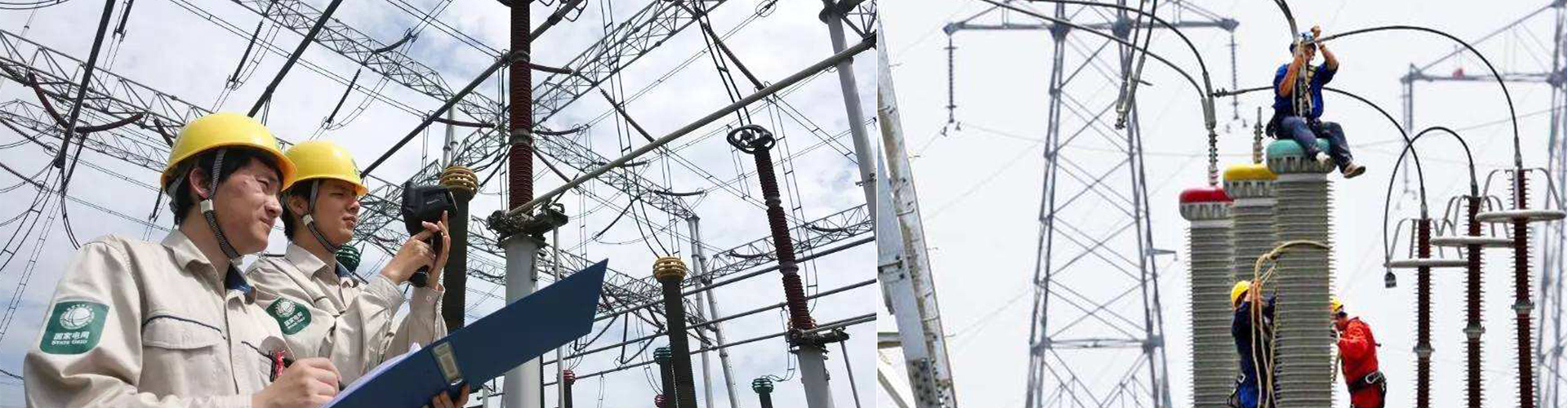
During long-term operation, power equipment may experience partial discharge in the insulation system due to various reasons. If not detected and addressed in a timely manner, partial discharge can eventually lead to equipment failure, affecting the stable operation of the power system. As an effective detection tool, the partial discharge tester helps power engineers promptly identify and locate partial discharge, enabling measures to prevent accidents.
Working Principle of Partial Discharge Tester
The partial discharge tester primarily detects signals such as electromagnetic radiation, acoustic waves, and light waves generated by equipment under high voltage to determine the presence of partial discharge. Common detection methods include:
Corona Detection: Utilizes corona detectors to capture electromagnetic waves generated by corona discharge.
Acoustic Detection: Uses acoustic sensors to listen to sound signals produced during discharge.
Optical Detection: Employs photoelectric sensors to capture photon signals from discharge.
Chemical Detection: Detects changes in gas composition during discharge.
Key Features
High Sensitivity: Capable of detecting very weak partial discharge signals.
Multiple Detection Modes: Supports corona, acoustic, optical, and other detection methods to suit different scenarios.
Data Recording and Analysis: Built-in memory records test data, which can be analyzed via software.
Real-time Monitoring: Equipped with real-time monitoring to continuously track equipment status.
Remote Operation: Supports remote control, facilitating testing in hazardous or hard-to-reach locations.
Testing Steps
Preparation: Ensure the equipment under test is de-energized and implement safety precautions.
Equipment Connection: Connect the tester to the equipment and select the appropriate detection mode.
Parameter Setting: Set test parameters based on equipment type and testing requirements.
Executing the Test: Start the tester to begin detecting partial discharge signals.
Result Analysis: Record test data and analyze for the presence of partial discharge.
Application Scenarios
Power Equipment Maintenance: Used for routine maintenance testing of transformers, cables, generators, and other power equipment.
Fault Diagnosis: When abnormalities occur in power equipment, the partial discharge tester aids in diagnosing issues.
Scientific Research: In laboratory settings, it is used to study the performance of new insulating materials.
New Project Acceptance: Employed for acceptance testing in new power facility projects.
Typical Cases
(Specific test cases can be inserted here, such as the process of detecting partial discharge in a particular power equipment, issues found, and solutions.)
Precautions
Safety First: Strictly adhere to safety regulations when operating the tester to prevent electric shock and other hazards.
Environmental Factors: Pay attention to ambient temperature, humidity, and other conditions to avoid external interference affecting test results.
Regular Calibration: To ensure measurement accuracy, the tester should be calibrated periodically.
Professional Training: Operators should receive professional training to become familiar with the tester's usage.
Conclusion
The partial discharge tester is an essential tool for ensuring the safe operation of power equipment. Through regular testing and maintenance, equipment failures caused by partial discharge can be effectively prevented, ensuring the stable operation of the power system.
Outlook
With the development of sensing technology, signal processing, and artificial intelligence, future partial discharge testers will become more intelligent and portable, offering higher detection accuracy and stronger data analysis capabilities. The application of remote monitoring and intelligent diagnostic functions will further enhance the operational efficiency of power equipment maintenance.
This article outline provides readers with basic knowledge and application guidance about partial discharge testers. When writing a detailed article, more technical details and practical case analyses can be added based on specific circumstances.

