
Mass spectrometry: Detects specific types of gas leaks by analyzing gas composition.
Infrared absorption technology: Utilizes the absorption characteristics of certain gases to specific wavelengths of infrared light for detection.
Laser scanning technology: Detects changes in reflection or absorption of laser light by gas molecules when irradiating the target area.
Electron capture detector (ECD): For certain specific gases, such as SF6 (sulfur hexafluoride), ECD can detect its concentration very sensitively.
Ultrasonic detection: Uses ultrasonic sensors to capture ultrasonic signals generated by leaking gas.
Main functions and features
High sensitivity: Capable of detecting extremely small gas leaks.
Real-time quantification: Not only detects whether there is a leak, but also quantifies the leak rate.
Multiple gas compatibility: Supports detection of different types of gases, such as SF6, hydrogen, nitrogen, etc.
Portable design: Many leak detectors are designed to be lightweight and portable, suitable for field operations.
Data recording and analysis: Built-in storage function to record detection data and analyze it through software.
Application fields
Gas quantitative leak detectors are widely used, including but not limited to:
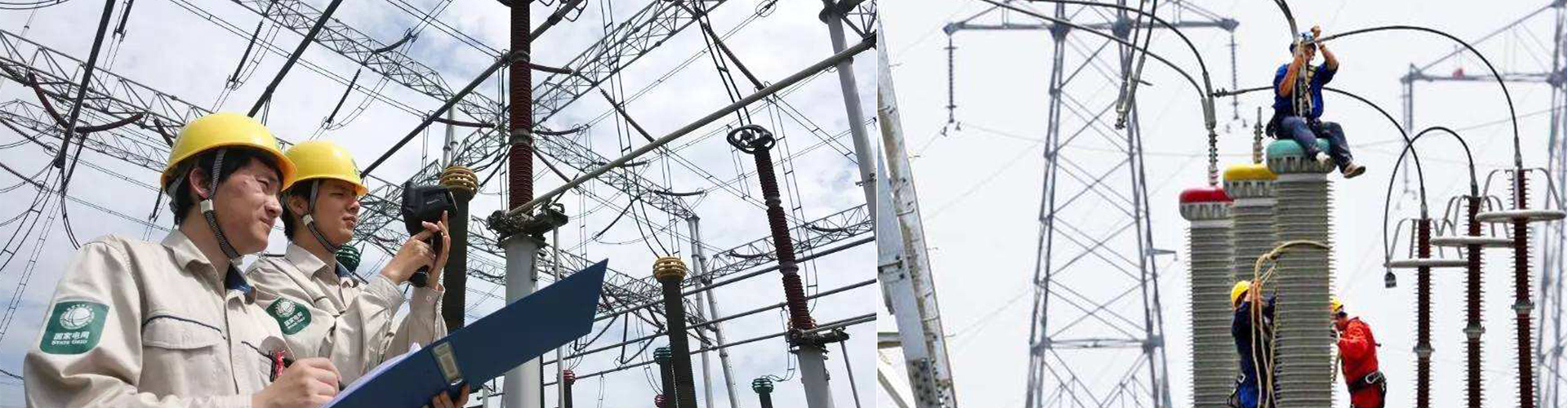
Power industry: Detecting SF6 gas leaks in high-voltage switchgear and transformers.
Chemical industry: Monitoring flammable and explosive gas leaks in pipelines and storage tanks.
Refrigeration industry: Detecting leaks of refrigerants such as ammonia and Freon.
Aerospace: Ensuring the sealing of aircraft fuel systems and oxygen systems.
Usage methods
Power-on preheating: Turn on the instrument according to the manual and perform necessary preheating.
Select mode: Choose the corresponding detection mode according to the type of gas to be detected.
Scan detection: Hold the instrument close to the suspected leak point and perform scanning detection.
Data analysis: Determine whether there is a leak based on the data displayed by the instrument, and quantify the leak amount.
Record results: Record the detection results and take necessary measures to repair the leak point if needed.
Precautions
When using gas quantitative leak detectors, attention should be paid to:
Ensure the instrument is in good condition and calibrated regularly.
Choose appropriate detection techniques and methods according to different detection environments.
Operators must be professionally trained to use the instrument correctly.
For detection of toxic or flammable gases, appropriate safety protection measures must be taken.
Conclusion
Gas quantitative leak detectors, as important detection tools, play a significant role in preventing accidents and protecting the environment. With the development of technology, the performance of such instruments continues to improve, and operation becomes increasingly simple, making them an indispensable safety assurance tool in many industries. If you have specific needs or questions, feel free to continue the conversation.

