
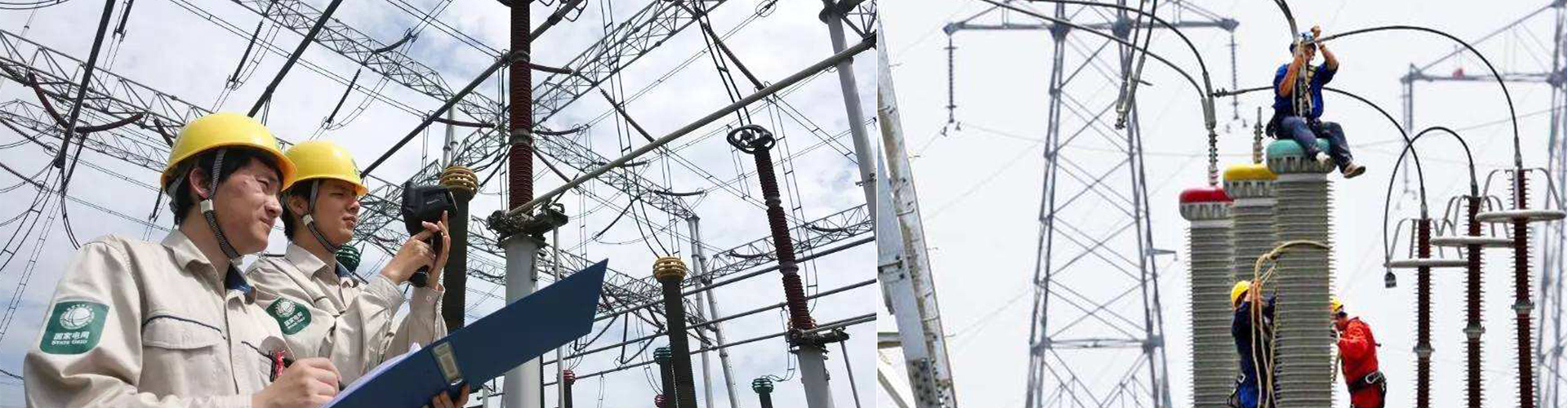
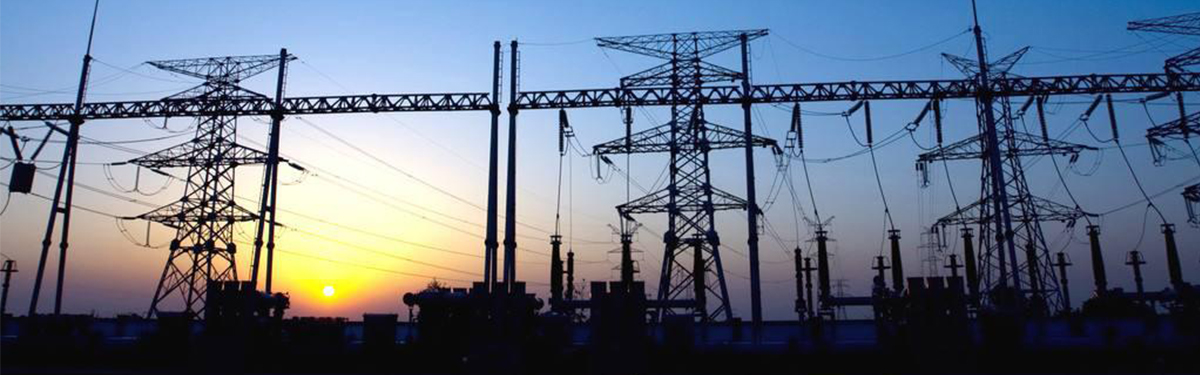
On-Load Tap Changer (LTC) is one of the important components used for voltage regulation in power systems. It can adjust the transformer's turns ratio without interrupting the power supply, thereby changing the output voltage, which is crucial for ensuring the stable operation of the power grid. The following is an article about the core role of on-load tap changers in grid voltage regulation:
On-Load Tap Changer: The Core of Grid Voltage Regulation
Introduction
In modern power systems, voltage stability is one of the key factors ensuring the quality of power supply. With the growth of electricity demand and the increasing complexity of grid structures, the challenge of maintaining voltage within a reasonable range has become increasingly severe. As a key technology, the on-load tap changer (LTC) can adjust the transformer's turns ratio without interrupting the load current, thereby achieving precise control of grid voltage. This article will explore the important role and technical characteristics of on-load tap changers in grid voltage regulation.
Basic Concepts of On-Load Tap Changers
Definition
An on-load tap changer is a device installed on a transformer that can change the transformer's turns ratio under load conditions. By adjusting the turns ratio of the transformer, its output voltage can be changed to adapt to different power demands.
Working Principle
The working principle of LTC is to switch different taps of the transformer through internal mechanical devices. When the system needs to adjust voltage, LTC completes the tap switching within a short time, and this process does not interrupt the power supply, thus enabling voltage regulation under load conditions.
Importance of Grid Voltage Regulation
The stability of grid voltage is not only related to the user's electricity experience but also directly affects the safety and economy of the power system. Both overvoltage and undervoltage can bring potential risks to the grid, such as:
Overvoltage may cause electrical equipment to overheat, be damaged, or even cause fires.
Undervoltage can affect the normal operation of electrical appliances and reduce the transmission efficiency of the power system.
Therefore, effective voltage regulation is crucial for maintaining the healthy operation of the power system.
The Role of On-Load Tap Changers
Fast Response
LTC can complete tap switching within seconds, quickly responding to changes in grid voltage. This rapid response capability enables the power system to return to normal voltage levels in a short time, reducing the negative impact of voltage fluctuations.
Seamless Switching
Since LTC can switch under load conditions, the voltage regulation process does not affect the normal electricity consumption of users. This characteristic is crucial for ensuring uninterrupted power supply, especially in places with extremely high requirements for power supply continuity, such as hospitals and data centers.
Improving Efficiency
By precisely controlling the output voltage of the transformer, LTC helps reduce losses during power transmission and improves the overall efficiency of the power system. This not only saves energy but also reduces operating costs.
Extending Equipment Life
Reasonable voltage regulation can reduce the working pressure on electrical equipment, thereby extending its service life. In addition, LTC can protect sensitive equipment in the grid by reducing overvoltage phenomena.
Technical Characteristics of On-Load Tap Changers
Multiple Control Modes
LTC is usually equipped with multiple control modes, such as manual, automatic, and remote control, which can be flexibly selected according to actual needs. The automatic control mode can automatically adjust based on preset voltage deviations, while the remote control mode allows remote operation, facilitating centralized management and control.
High Reliability
The design of LTC focuses on durability and reliability, capable of withstanding frequent switching operations without affecting performance. In addition, modern LTCs also have self-diagnostic functions that can detect potential faults in a timely manner and take measures.
Strong Adaptability
LTC can be applied to various types of transformers, including single-phase and three-phase transformers. Furthermore, it can adapt to different grid environments, whether in urban distribution networks or transmission lines in remote areas.
Conclusion
As one of the core technologies for grid voltage regulation, the on-load tap changer plays an irreplaceable role in ensuring the stable operation of the power system. By performing fast and seamless voltage regulation under load conditions, LTC not only improves the quality of power supply but also promotes the efficient and sustainable development of the power system. With technological advancements, future LTCs will develop towards more intelligent and efficient directions, bringing more possibilities for innovation in the power industry.
This article aims to introduce the important role and technical characteristics of on-load tap changers in grid voltage regulation, hoping to help readers better understand their status and value in the power system.

