
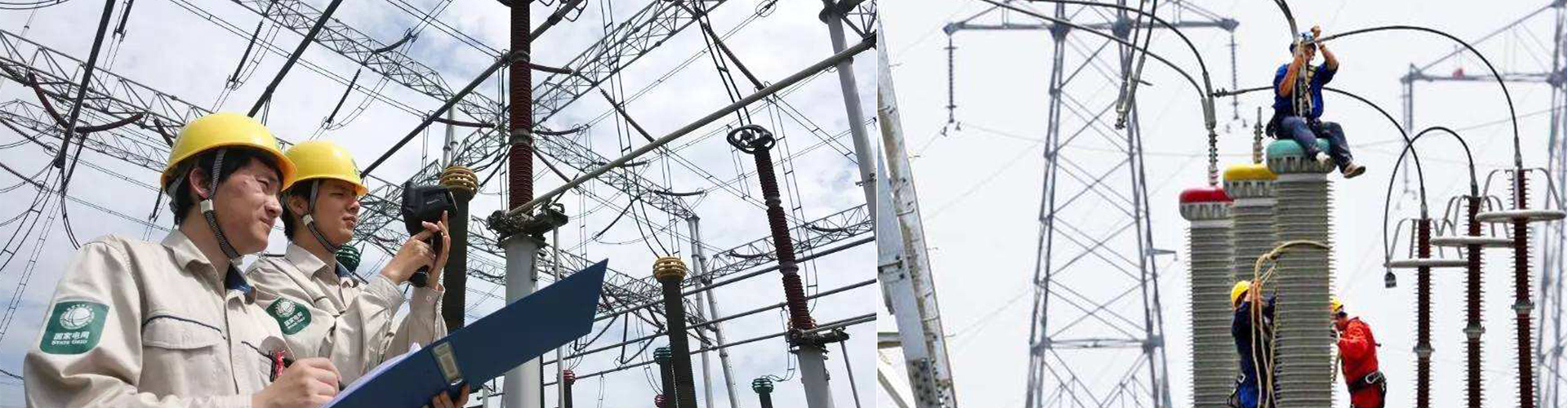
Partial Discharge Tester (referred to as "PD tester") is a specialized instrument used to detect whether there are tiny discharge phenomena inside the insulation system of high-voltage electrical equipment (such as transformers, cables, GIS, switchgear, etc.). Partial discharge is an early sign of insulation deterioration, and detection can prevent sudden equipment failures and ensure the safety of the power grid.
Based on your location in Yangzhou City and the latest market situation in 2026, I have compiled the following core information for you:
⚡ Core Detection Technologies
Modern PD testers are usually not based on a single principle but integrate multiple sensor technologies to address different scenarios:
Table
Detection Method Abbreviation Principle and Features Applicable Scenarios
High-Frequency Current Method HFCT Clamped on the grounding wire, non-invasive, easy to install. Detection of cables and transformer grounding wires.
Transient Earth Voltage Method TEV Detects electromagnetic wave signals on the surface of metal enclosures without power outage. Detection of internal discharges in switchgear (medium and high voltage).
Ultrasonic Method AE/AA Captures acoustic signals generated by discharges, can be used for precise location. Surface or internal location of transformers, GIS, and switchgear.
Ultra-High Frequency Method UHF Receives electromagnetic waves from 300MHz to 1.5GHz, with extremely strong anti-interference capability. GIS (Gas Insulated Switchgear) and large transformers.
