
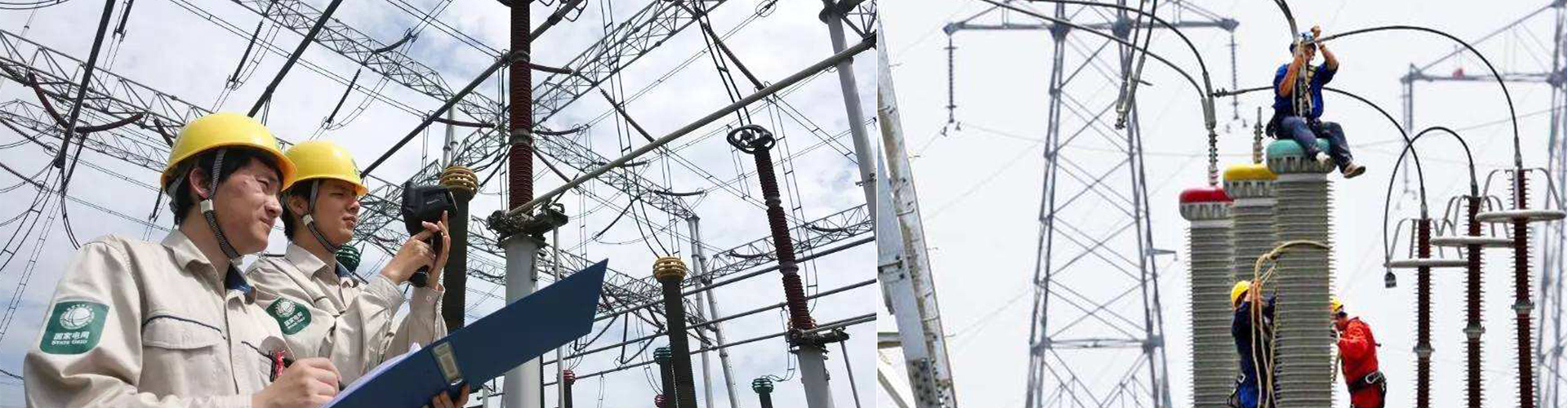
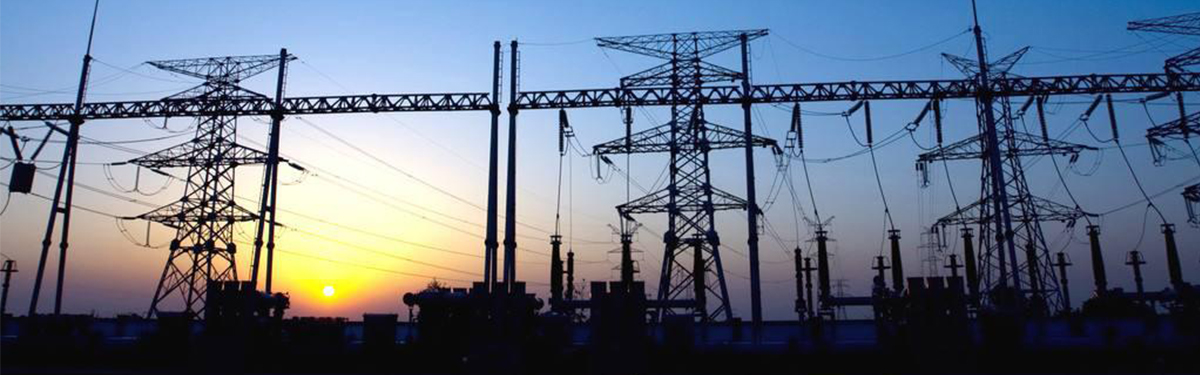
In power systems, communication base stations, and other facilities requiring reliable grounding, the effectiveness of the grounding system directly affects the safe operation of equipment and the safety of personnel. As a professional instrument specifically designed to test the performance of large-area grounding networks, the large ground grid tester plays an irreplaceable role in evaluating grounding resistance, soil resistivity, and other parameters. This article will provide a detailed introduction to the functional features and application scenarios of the large ground grid tester.
I. Introduction
With the development of infrastructure construction, the requirements for grounding systems are increasingly stringent. A well-designed grounding network not only protects electrical equipment from lightning strikes and other electrical faults but also ensures the safety of workers. Therefore, it is particularly important to regularly test and maintain the ground grid using a large ground grid tester.
II. Main Functions of the Large Ground Grid Tester
High-Precision Measurement: Utilizing advanced measurement technology, it can accurately measure grounding resistance and soil resistivity, typically with minimal error margins.
Multi-Functionality: In addition to basic grounding resistance measurement, it can also evaluate parameters such as soil resistivity, step voltage, and touch voltage.
High Automation: Modern large ground grid testers are often equipped with automatic testing functions, simplifying the operation process and improving work efficiency.
Data Processing and Analysis: Built-in data processing software helps users quickly interpret test results and generate detailed reports.
Portable Design: Considering the practical needs of field work, these testers are typically designed to be compact and lightweight, making them easy to carry to different locations.
Safety Considerations: Equipped with various safety protection measures, such as overvoltage protection and overcurrent protection, ensuring the safety of personnel and equipment during testing.
III. Application Scenarios
Power Industry: Used for ground grid testing in substations, power plants, and other facilities to ensure the effectiveness and reliability of grounding systems.
Communication Base Stations: Regular inspections of base station grounding networks to protect expensive communication equipment from lightning damage.
Petrochemical Industry: In flammable and explosive environments, a reliable grounding system is crucial. The large ground grid tester can be used to detect and evaluate grounding performance.
Construction: In new construction or renovation projects, the large ground grid tester is used to verify whether the ground grid design meets requirements, ensuring the safety of buildings.
IV. Conclusion
The large ground grid tester is a key tool for ensuring grounding safety in various facilities. By providing accurate test data, it helps engineers and technicians promptly identify and resolve issues in the grounding system, thereby avoiding potential safety hazards. Facing increasingly complex grounding networks and higher safety standards, the large ground grid tester will continue to evolve, integrating more intelligent features to meet the special needs of different fields. Whether for power companies, communication operators, or construction units, mastering the correct use of this tool is of great significance for improving overall safety levels.

