
Purpose of Insulation Resistance Testing
Assess insulation condition: Determine whether the insulating material is intact by measuring its resistance value.
Detect potential issues: Identify possible aging, damage, or moisture problems that may lead to decreased insulation performance.
Ensure safety: Provide a basis for the maintenance of power systems, ensuring the safety of operators and the normal operation of equipment.
Testing Principle
Insulation resistance testing is based on applying a known voltage to the object under test and measuring the resulting current to calculate the resistance value. The voltage range typically used varies from 50V to 5000V, depending on the requirements of the test object. According to Ohm's law
Main Functions of Insulation Resistance Tester
Multiple voltage selection: Supports various test voltage options, suitable for different types of electrical equipment.
Automatic discharge function: Automatically discharges the tested object after completing the test, protecting users from the risk of electric shock.
Multiple voltage selection: Supports various test voltage options, suitable for different types of electrical equipment.
Automatic discharge function: Automatically discharges the tested object after completing the test, protecting users from the risk of electric shock.
Data storage and transmission: Modern insulation resistance testers can save test results and transfer data to a computer via USB or other interfaces for further analysis.
Real-time reading display: Equipped with a clear display screen, showing real-time changes in resistance values during the test.
Application Fields
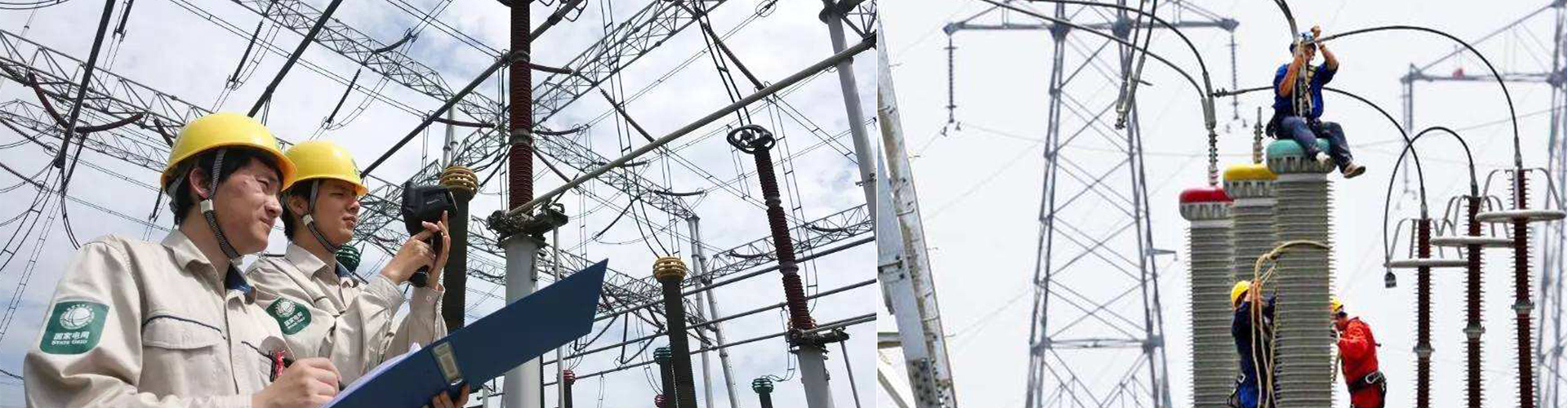
Power system maintenance: Regularly check the insulation status of transformers, cables, motors, and other equipment.
Industrial production: Ensure that the electrical parts of production equipment meet safety standards.
Building electrical engineering: Newly installed wires, cables, switchgear, etc., need insulation testing to ensure quality.
Scientific research and education: Provide experimental teaching and technical research support for university laboratories and research institutions.
Usage Precautions
Safety first: Before conducting any test, ensure that the equipment under test has been disconnected from the power supply and fully discharged.
Correctly select test voltage: Choose the appropriate test voltage level based on the rated voltage of the equipment to be tested.
Consider environmental factors: Humidity and temperature can affect insulation resistance values, so tests should be conducted under suitable conditions.
Regularly calibrate the instrument: Maintain the accuracy of the tester, and it is recommended to calibrate it at least once a year.
In summary, the insulation resistance tester is one of the indispensable tools for ensuring the safety of electrical systems. By accurately assessing the insulation condition of electrical equipment, it not only improves work efficiency but also effectively avoids various dangerous situations caused by insulation failure. Correctly using and maintaining these testing devices is crucial for every individual and organization involved in electrical work.

