
Four-Pole Method (Wenner Four-Pin Method): Used for more precise measurement of soil resistivity.
Clamp-On Method: Allows quick measurement of ground grid resistance without disconnecting the ground wire.
Error Analysis: Discusses factors that may affect test results, such as test location selection, environmental interference, electrode arrangement, etc., and provides methods to reduce errors.
3. Technical Specifications and Performance Indicators
Key Parameters: Lists common technical parameters of large ground grid testers, such as measurement range, resolution, accuracy, frequency response, anti-interference capability, etc.
Performance Characteristics: Discusses the impact of these parameters on test results, helping users select test equipment suitable for specific application scenarios.
4. Application Fields
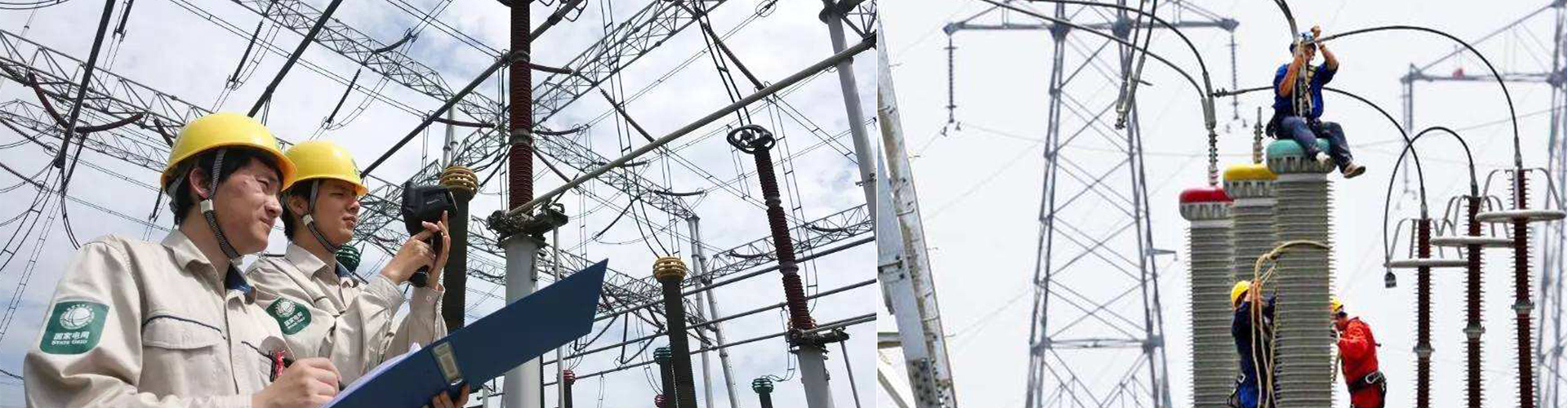
Power System Testing: Widely used in acceptance testing and regular maintenance inspections of ground grid systems in substations, power plants, etc.
Industrial Facilities: Used for grounding system evaluation in factories, mines, and other places to ensure electrical safety during production.
Communication Base Stations: Ensures reliable grounding of communication towers and other related facilities, preventing lightning damage to electronic equipment.
Construction Industry: Ground grid design verification during new construction or renovation of buildings to ensure compliance with electrical safety standards.
5. Selection Guide
Considerations: Provides key factors to consider when purchasing large ground grid testers, such as applicable test objects, required measurement accuracy, portability, automation level, cost-effectiveness, etc.
Recommended Brands and Models: Based on market research, recommends quality products from well-known brands and briefly introduces their features and advantages.
6. Testing Methods and Practices
Operational Steps: Shares the standard process for testing with large ground grid testers, from preparation to actual operation to data recording, ensuring every step is executed accurately.
Safety Measures: Emphasizes safety precautions to be taken when using large ground grid testers, such as correctly setting electrodes, wearing protective equipment, following operating procedures, etc., to minimize risks.
Case Studies: Demonstrates the practical effects and advantages of large ground grid testers through specific application cases, analyzes key factors for successful implementation, and includes customer feedback and improvement suggestions.
7. Common Problems and Solutions
Troubleshooting: Summarizes possible issues encountered during the use of large ground grid testers, such as abnormal readings, poor connections, etc., and provides corresponding solutions or debugging suggestions.
Maintenance: Discusses how to properly maintain and care for large ground grid testers to ensure long-term stable operation. For example, regular calibration, cleaning and lubricating moving parts, replacing worn components, etc.
8. Technological Innovation and Development
Latest Advances: Explores the latest technological progress in the field of large ground grid testing, such as integration of intelligent control systems, support for wireless communication functions, new methods to improve measurement speed and accuracy, etc.
Future Trends: Looks forward to future developments in this field, such as more efficient testing algorithms, more portable designs, integration with Internet of Things (IoT) technology, etc.
9. Standardization and Regulatory Compliance
International Standards: Discusses requirements of international and national standards for large ground grid testing, introduces relevant standard documents (such as IEC, IEEE, etc.), and emphasizes the importance of adhering to standards.
Certification and Compliance: Explains the significance of common certification marks in the market, such as CE, UL, etc., ensuring that purchased products comply with local laws and regulations.
Conclusion
Summary: Reviews the core content of large ground grid testers, reiterating their important role in ensuring the safe and reliable operation of power systems.
Call to Action: Encourages readers to pay attention to and invest in advanced large ground grid testing technology and equipment to enhance their business level and technical competitiveness.
If you need to delve deeper into a specific section or have other special requirements, please feel free to let us know.

