
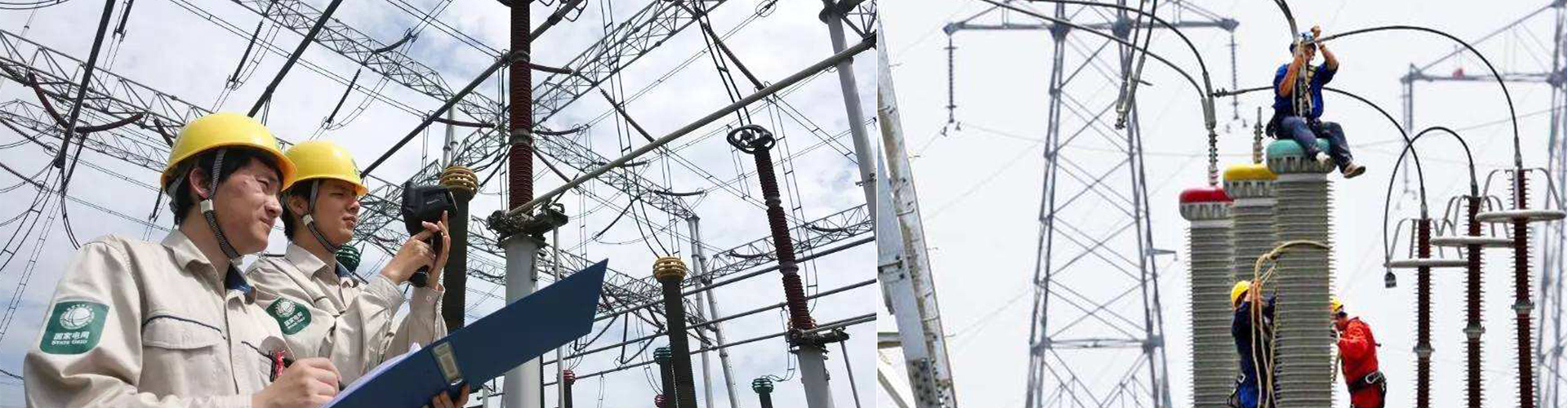
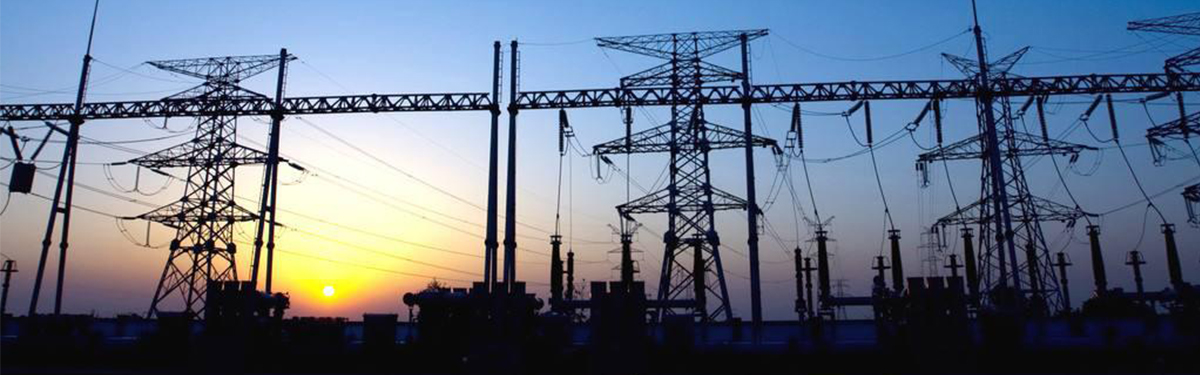
Loop resistance tester is a specialized instrument used to measure the contact resistance at conductor connection points in electrical equipment. In power systems, if connection points between conductors (such as switches, busbars, joints, etc.) have issues like poor contact or oxidation, it can lead to increased contact resistance, which in turn causes heating, arcing, and even safety hazards like fires. Therefore, regularly using a loop resistance tester to inspect electrical equipment is of great significance for ensuring the safe and stable operation of the power system.
Concept of Loop Resistance
Loop resistance refers to the resistance at the connection points of conductors in an electrical system. This resistance is usually very small, but under high current conditions, even a tiny resistance can cause localized heating, affecting the normal operation of the equipment. The magnitude of loop resistance directly impacts the safety and reliability of electrical equipment.
Working Principle
The loop resistance tester applies a stable DC current to the test point and measures the resulting voltage drop, then calculates the contact resistance based on Ohm's law (
). To ensure measurement accuracy, the tester typically provides multiple current ranges to choose from, allowing measurements for different types of conductors.
Main Functions
Contact Resistance Measurement: Precisely measures the contact resistance at conductor connection points.
Current Selection: Provides multiple current ranges, suitable for measuring different resistance ranges.
Data Storage: Can save a large amount of measurement data for subsequent analysis.
Automatic Calculation: Automatically calculates and displays the resistance value based on measurement results.
Temperature Compensation: Some advanced testers have temperature compensation functionality to eliminate the influence of temperature changes on measurement results.
Application Scenarios
Loop resistance testers are widely used in power systems, electrical equipment maintenance, industrial production, and other fields, specifically including:
Power System Maintenance: Regularly inspect connection points of electrical equipment such as transformers, switchgear, and busbars to ensure good contact.
Electrical Equipment Manufacturing: Quality control of electrical connection points during production to ensure product reliability and safety.
Rail Transit: Inspect the connection quality of critical parts such as track circuits and traction substations.
Building Electrical: In building electrical engineering, ensure that the contact resistance of cable joints, distribution boxes, and other connection points meets standards.
Industrial Production: Regularly inspect electrical connection points in various industrial production lines to prevent failures caused by poor contact.
Usage Method
Preparation: Ensure the equipment under test is de-energized and take necessary safety measures.
Connect Test Leads: Correctly connect the test leads to the tester and the equipment under test.
Select Current: Choose the appropriate current range based on the resistance range of the object under test.
Start Test: Start the tester, wait for the reading to stabilize, and record the data.
Result Analysis: Analyze the equipment condition based on measurement results, and perform maintenance or replacement if necessary.
Practical Application Case
In a transformer maintenance task at a power company, technicians used a loop resistance tester to inspect the connection points of a large transformer. By comparing the resistance values at different connection points, they found that the contact resistance at one point was significantly higher than others. Further inspection revealed oxidation at that connection point, leading to poor contact. By timely cleaning and tightening, they eliminated the potential safety hazard and ensured the safe operation of the transformer.
Conclusion
The loop resistance tester is an indispensable tool in power system maintenance. By precisely measuring the contact resistance at conductor connection points, it can promptly detect and resolve potential safety hazards, ensuring the safe and stable operation of the power system. With technological advancements, future loop resistance testers will become more intelligent and portable, providing more support for maintenance work in the power industry. Through regular testing and maintenance, the reliability and service life of electrical equipment can be significantly improved, ensuring the safe and stable operation of the power system.

