
For loop resistance measurement of switch control equipment, why can the values measured on the same device at different times and by different people differ significantly? For procurement personnel, this directly affects whether acceptance goes smoothly and whether subsequent maintenance data can be compared across the board. Insufficient range or resolution of the device itself, or unstable contact conditions of connectors during transportation and on-site plugging and unplugging, can all distort readings and further affect judgment of switch status.
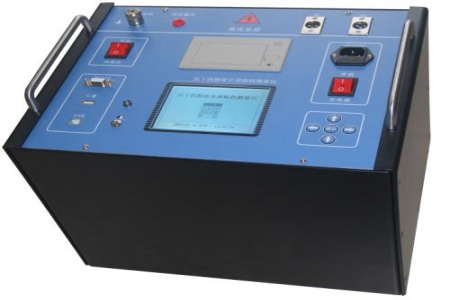
The XHL-250A Loop Resistance Tester is designed for the on-site comparison needs of loop resistance measurement in switch control equipment. The measurement loop uses high-precision resistive elements to reduce the impact of ambient temperature changes on measurement results, giving data measured at different times better comparability; the connectors use military-grade specifications to enhance the unit's vibration resistance during transportation and on-site operation and reduce reading fluctuations caused by poor contact. Test results are presented directly as resistance values without additional conversion, making it easy for on-site personnel to record and judge quickly.
The device is suitable for measuring loop resistance of switch control equipment. Common specifications cover test current ranges such as 100A and 200A (subject to the actual ordered configuration), with direct resistance value display function, and the unit structure is easy to carry to switchgear sites for use. Specific parameters such as current ranges, measurement range, and resolution can be confirmed during model selection based on the rated current and loop resistance range of the switch under test.
Handover inspection after installation of switch control equipment, preventive testing, and confirmation of loop status after maintenance all require loop resistance measurement. This instrument can be used to measure resistance values at locations such as switchgear and circuit breaker conductive loops, helping procurement and operation personnel understand the actual status of equipment conductive loops.
During procurement, the configuration can be confirmed based on the type of equipment under test, test current requirements, and on-site usage conditions. Matters such as measurement range, accessories, and delivery cycle can be further discussed with the supplier.

