

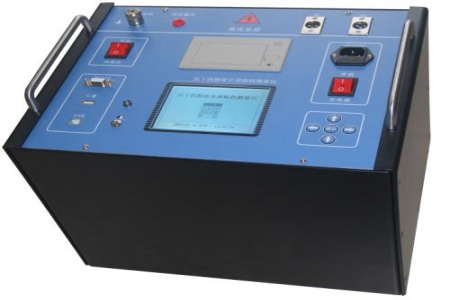
The switching process of an on-load tap-changer is short in duration and rich in waveform details, and on-site testing often encounters abnormal data despite correct wiring. The BYQ-6200 On-Load Tap-Changer Tester addresses such problems with adjustments in signal acquisition and channel design, helping technical engineers quickly determine whether the issue lies with the tap-changer itself or with the testing process.
If the test waveform shows burrs or breakpoints, first check the contact pressure between the test clips and the tap-changer contacts; if the oxide layer is thick, clean it before clamping tightly. If the three-phase synchronization data deviates beyond expectations, verify whether the instrument grounding is reliable and whether the leads between adjacent phases maintain sufficient spacing. If the operating sequence does not match the nameplate, confirm whether the tap-changer was in the middle position before testing, and if necessary, manually operate one complete cycle before retesting.
The three-phase synchronization measurement accuracy is 0.1ms, the three-phase waveform display accuracy is 0.3ms, and transition resistance and switching time can be recorded simultaneously. The device is powered by AC220V±10%, and the ambient temperature adaptation range is -10℃ to 50℃, meeting the needs of most substation sites and maintenance workshops. After testing, disconnect the instrument power before removing the leads, and record the ambient temperature and the number of tap-changer operations for subsequent data comparison.
Before wiring, confirm that there is no live indication on the tap-changer side, and connect the test leads according to the phase sequence. After starting the test, observe waveform integrity; if anomalies appear, first check the wiring and grounding, then judge the tap-changer status. When saving data, note the tap position and operating direction to reduce repeated testing.

