

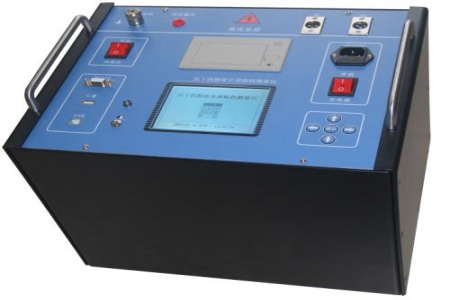
In routine testing of SF6 switchgear, it is common to encounter inconsistent leak rate readings from the same gas compartment using the same instrument when operated by different personnel. This is usually related to the instrument's range selection, probe movement speed, ambient wind speed, and calibration status. The JQL-2100 Gas Quantitative Leak Detector provides multiple range switching and standard curves for these aspects, helping technical engineers reduce human error during maintenance.
Before each use, ensure the instrument has sufficient battery power and perform zeroing in clean air. During measurement, the probe should be placed close to the suspected leak point and moved slowly and at a constant speed to avoid insufficient response caused by rapid sweeping. For different leak rate ranges, switch to the corresponding range and read the quantitative result according to the standard curve for that range. If on-site wind speed is high, it is recommended to set up temporary wind shielding measures to prevent airflow from interfering with sensor response.
When the instrument is put back into use after long-term storage, it is recommended to power it on and preheat for a period first, and then perform calibration or measurement after the sensor stabilizes. The calibration cycle can be determined according to usage frequency; generally, standard gas calibration is recommended every six months to one year. If readings continue to drift or response is slow, check whether the probe is contaminated or the gas path is blocked, and contact the manufacturer for calibration if necessary.
The JQL-2100 Gas Quantitative Leak Detector covers the common leak rate range of SF6 switchgear, supports multiple range switching, and provides a standard curve for each range, enabling both quantitative and qualitative leak detection. The instrument adopts a portable design, making it suitable for on-site mobile operations. It is powered by a built-in rechargeable battery, meeting the needs of long-term continuous detection. The display interface is intuitive, making it easy to read real-time concentration and range information.
This instrument is suitable for power supply departments, installation and maintenance units, and electric power research institutes, and is used for leak rate detection and location of gas-filled equipment such as SF6 switchgear, GIS combined electrical apparatus, and transformers. It can serve as a common tool for quantitative leak detection in equipment handover acceptance, regular inspections, and troubleshooting.
The instrument should be stored in a dry, ventilated environment free of corrosive gases, avoiding severe vibration and direct sunlight. During transportation, it is recommended to use a dedicated packaging box to prevent damage to the probe. When not in use for a long time, it is recommended to charge it once every three months to maintain battery activity.

