
During handover acceptance or routine inspections of substation grounding grids, O&M personnel sometimes observe that grounding resistance test values fluctuate significantly between different measurement points, or show unexplained deviations compared with historical data. Such phenomena are often related to the actual state of the grounding grid, the testing method, and the output capability of the equipment. For procurement personnel, understanding how a tester performs under real operating conditions is more important than simply comparing specification sheets.
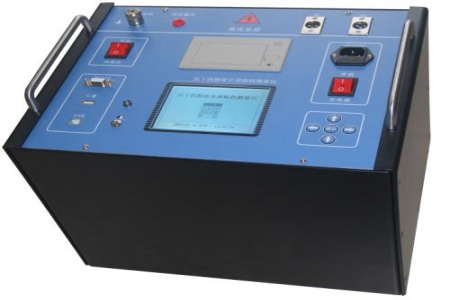
The DRD-230B Large Grounding Grid Tester is suitable for testing power-frequency characteristic parameters such as power-frequency grounding impedance, contact voltage, and step voltage of various grounding devices, and can also be used for soil resistivity measurement. The instrument adopts a variable-frequency measurement method, which helps obtain stable test results in strong electromagnetic interference environments such as substations.
Measuring step voltage and contact voltage requires simulating actual fault current, which places high demands on the output capability and synchronization accuracy of the test equipment. The DRD-230B has sufficient output capacity and can synchronously acquire voltage signals while injecting current, thereby calculating contact voltage and step voltage values. This capability is of practical significance for evaluating the safety of grounding grids under fault conditions.
The equipment's voltage measurement leads use copper-core conductors with a cross-sectional area of no less than 2.0 mm², which helps reduce the impact of line impedance on measurement results. Procurement personnel can evaluate whether the instrument's output current range, measurement accuracy, and anti-interference capability meet requirements based on the scale of the on-site grounding grid, expected fault current level, and interference level. It is also recommended to pay attention to the layout scheme of the current electrode and voltage electrode supplied with the instrument and the convenience of on-site operation.
The tester can be used for grounding impedance testing of grounding devices such as power plants, substations, and transmission line towers, and is also suitable for characteristic parameter evaluation of large grounding grids. It can be used as a testing tool in links such as acceptance of new construction projects, status inspection of grounding grids in operation, and effect verification after modification.

