
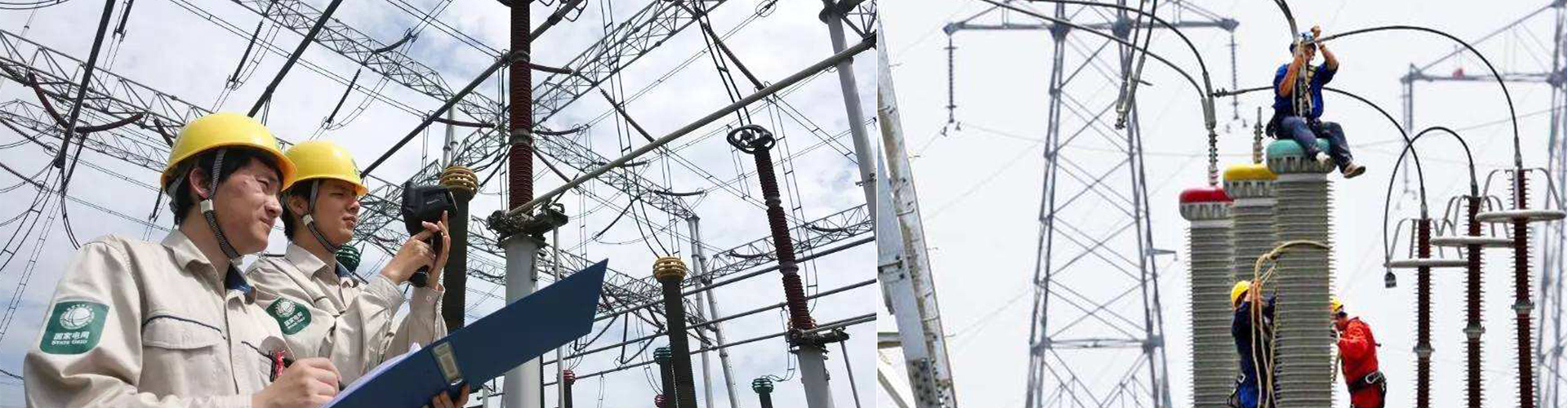
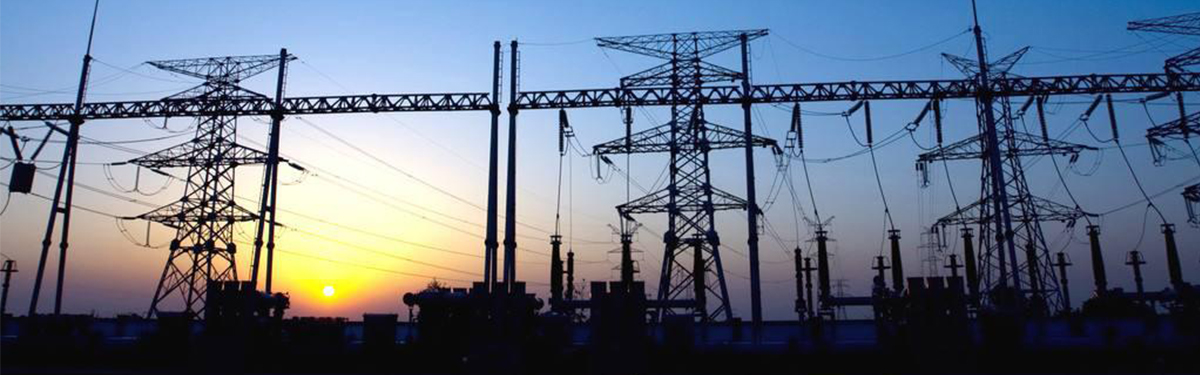
A large ground grid tester is a professional device used to measure the grounding resistance and soil resistivity of large ground grid systems (such as substations, transmission towers, wind farms, etc.). This article will explore the working principles, key technologies, and application cases of large ground grid testers in different fields.
1. Introduction
Large ground grid testers are widely used in power systems, communication base stations, wind power stations, and other fields. A good ground grid system can effectively direct lightning current into the ground, protecting equipment from lightning damage and ensuring the safety of personnel. Large ground grid testers can accurately evaluate the performance of ground grid systems, ensuring they meet safety standards.
2. Working Principles
Large ground grid testers mainly operate based on the following principles:
Three-pole method: A test loop is formed using one grounding electrode (the ground grid under test) and two auxiliary electrodes (current electrode and voltage electrode). The grounding resistance is calculated by measuring the voltage drop and injected current.
Four-pole method: An additional voltage electrode is added to improve measurement accuracy and stability.
Continuous measurement method: By continuously changing the position of the current electrode, the grounding resistance at multiple positions is automatically calculated, thereby obtaining a distribution map of soil resistivity.
3. Key Technologies
High-precision measurement: High-precision voltage and current sensors are used to ensure the accuracy of measurement results.
Wide range measurement: Supports resistance measurement from milliohms to megohms.
Automatic compensation: Automatically compensates for errors caused by changes in ground grid structure and soil properties.
Data processing: Built-in data processing software automatically analyzes measurement data and provides intuitive charts and reports.
Remote control: Supports remote control of the tester via wireless or wired methods, facilitating operation in complex environments.
4. Application Cases
4.1 Power Systems
Background: A large substation requires regular maintenance of its ground grid system to ensure effective protection against lightning strikes.
Test content: Use a large ground grid tester to measure the resistance and analyze the soil resistivity of the substation's ground grid.
Test results: Localized high resistance was found in the ground grid system. Timely measures were taken to improve soil conditions, reducing grounding resistance.
4.2 Communication Base Stations
Background: With the proliferation of 5G networks, the number of communication base stations has increased significantly, necessitating the safety of their ground grid systems.
Test content: Test the ground grid systems of new base stations, including grounding resistance and soil resistivity.
Test results: Through analysis of test data, the optimal soil treatment plan around the base stations was determined, ensuring the stability and reliability of the ground grid systems.
4.3 Wind Power Stations
Background: Wind power stations are located in open areas and are susceptible to lightning strikes, so regular testing of ground grid systems is required.
Test content: Use a large ground grid tester to conduct comprehensive tests on the ground grid systems of wind power stations.
Test results: High soil resistivity was found in certain areas. Measures such as increasing the number of grounding electrodes and improving soil conductivity were taken.
5. Conclusion
Large ground grid testers are important tools for ensuring the performance of ground grid systems in large infrastructure. By employing advanced technology and precise measurement methods, these testers help technicians accurately assess the condition of ground grid systems and take timely measures to improve system reliability and safety. With continuous technological development, future large ground grid testers will become more intelligent and integrated, better serving the sustainable development of the power and communication industries.
This article outlines the working principles, key technologies, and application cases of large ground grid testers in different fields. If you need more detailed technical information or other related information, please feel free to let us know.

