
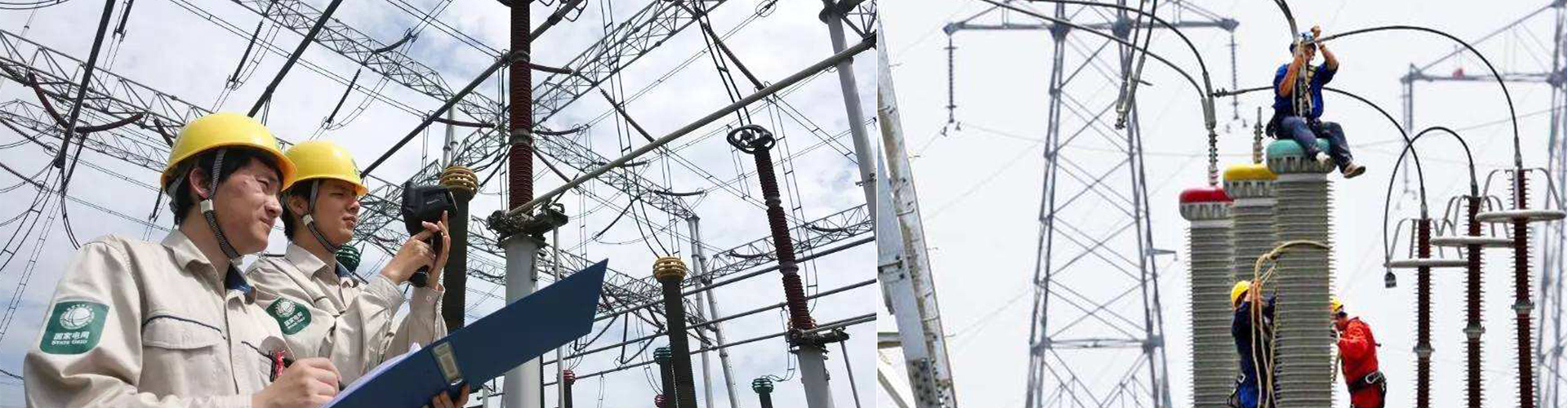
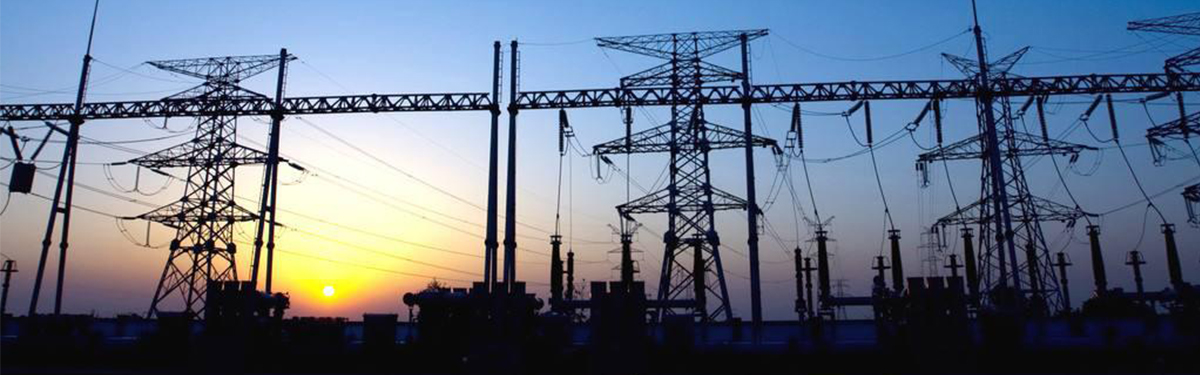
communication base stations and large buildings to measure the characteristics of grounding devices. Due to the wide area and strong interference of large ground grids, ordinary instruments cannot measure accurately, so special equipment with heterodyne anti-interference technology must be used.
Combining the latest market dynamics and technical standards from 2025-2026, here is a detailed guide to Large Ground Grid Testers:
1. Core Functions and Pain Points Solved
Large Ground Grid Testers mainly solve the problem of accurately measuring the parameters of large grounding grids in environments with strong electromagnetic interference and without power outage.
Core measurement items:
Power frequency grounding impedance/resistance: key indicator for evaluating the grid's current dissipation capability.
Contact voltage & step voltage: core parameters directly related to personal safety.
Surface potential gradient: analyze the potential distribution of the ground grid.
Soil resistivity: used as reference for ground grid design and renovation.
Grounding continuity resistance: check whether the connection between the equipment down conductor and the ground grid is good.
Key technology: uses heterodyne method (output 45Hz/55Hz or other non-power frequency signals), combined with digital filtering technology, can effectively filter out 50Hz power frequency interference, ensuring accurate data even when the substation is in operation.
2. Mainstream Technical Parameters for 2025-2026
Currently, high-end models on the market (such as new models from Wuhan Moen, Yangzhou Haotai, Wuhan Deshi, etc.) typically have the following configurations:
Table
Parameter Typical Specification (2026 model) Description
Output current 1A ~ 5A (adjustable) For large ground grids, 3A-5A is recommended; for ultra-large grids, higher power or external current booster is needed.
Output voltage 0 ~ 400V High voltage output can overcome the voltage drop of long test leads (hundreds of meters to several kilometers).
Test frequency 45Hz, 55Hz (dual frequency)
or 40-70Hz multi-frequency sweep Automatically switches frequency to find the frequency point with least interference.
Measurement range 0.001Ω ~ 2000Ω Resolution up to 0.001Ω, meeting micro resistance measurement.
Measurement accuracy ±1% ±0.005Ω High accuracy ensures acceptance compliance.
Anti-interference capability > 40V (normal operation under interference voltage) Can be directly tested in operating 500kV/220kV substations.
Intelligent functions Touch color screen, Bluetooth/USB transmission, built-in printer, automatic curve calculation Supports one-click data export and test report generation.
3. Representative Models and Manufacturers (2026 Reference)
Based on the latest search results, the following models are widely used and technically mature in the market:
Wuhan Moen (MOEORW) - MOEORW-1016DT
Features: Supports flexible switching of multiple frequency points (45/50/55/60Hz, etc.), high output power, extremely strong anti-interference performance, suitable for complex electromagnetic environments.
Yangzhou Haotai - Haotai brand series
Features: High integration, can measure step voltage, contact voltage and other parameters, large screen display, easy operation, cost-effective classic choice.
Wuhan Deshi Electric - DSDW5000
Features: Designed specifically for substations, maximum output 5A/400V, supports large data storage, complies with the latest power preventive test regulations.
Zhuoya Electric - YDW-5A
Features: Strictly follows GB/T17949.1 and DL/T475 standards, provides third-party testing service commitment, suitable for projects with extremely high compliance requirements.
General high-end type - ETCR3300B
Features: Has Bluetooth communication function, supports 1000 sets of data storage, suitable for modern operation and maintenance teams that need digital management.
4. Selection and Application Suggestions
Select based on the scale of the ground grid:
Small and medium-sized ground grids (such as microwave stations, small substations): 3A output current is usually sufficient.
Large/ultra-large ground grids (such as 500kV hub stations, power plants): must choose models with 5A or higher output current, and may even need to be paired with high-power variable frequency power supplies and coupling transformers to ensure signal-to-noise ratio.
Pay attention to the authenticity of "heterodyne": ensure the instrument has true dual-frequency or multi-frequency automatic test function, not simple single-frequency measurement, which is the key to successful testing in operating power stations.
Wiring and auxiliary tools: Large ground grid testing requires laying extremely long current and voltage leads (possibly several kilometers). When selecting, consider the portability of the instrument (host weight usually 5-10kg) and whether high-quality test lead reels are provided.
Compliance: Ensure the instrument meets the latest requirements of DL/T 475-2017 "Guide for Measurement of Grounding Device Characteristics Parameters".
5. Market Price Reference
Basic type (3A, single function): about 15,000 - 25,000 RMB.
Standard type (5A, full function, touch screen): about 25,000 - 45,000 RMB.
High-end system (high power, multi-frequency sweep, complete system): can reach 50,000 - 80,000 RMB or even higher (including long lead reels and auxiliary equipment).
(Note: Prices are greatly affected by brand, configuration, and procurement channels; please refer to the manufacturer's real-time quotation for specifics)
If you need a test plan for a specific voltage level (such as 220kV or 500kV substation), or need to query the detailed manual of a specific instrument, please let me know and I can provide more targeted information.

