
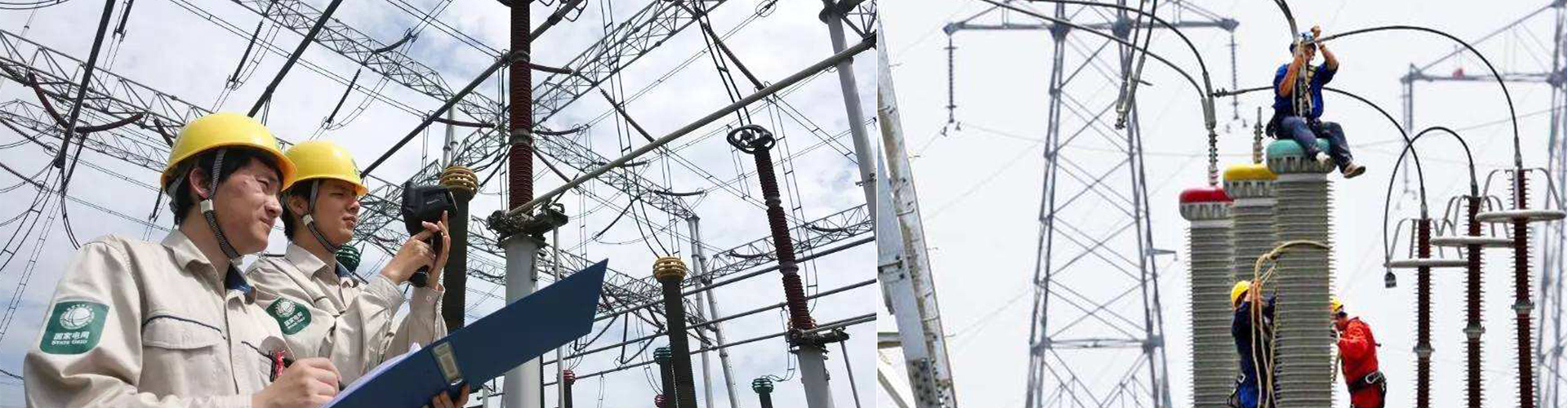
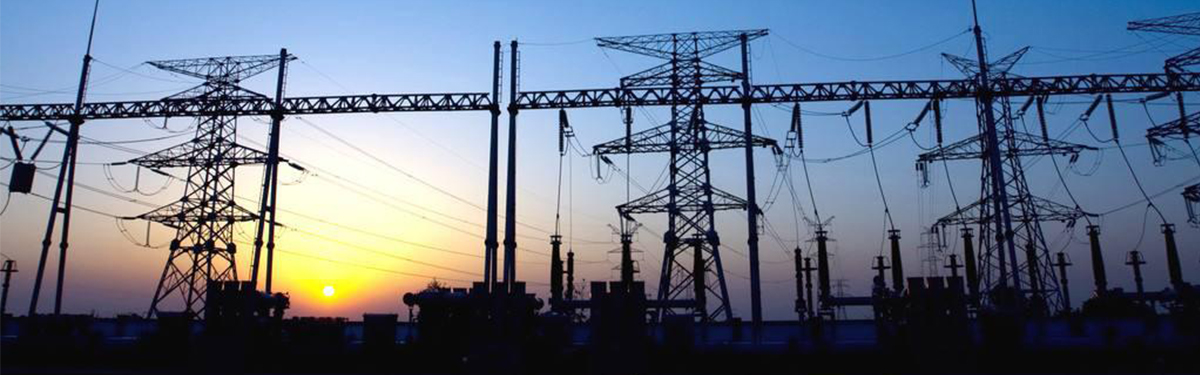
Large Ground Grid Tester is a professional device specifically designed for measuring and evaluating the performance of grounding systems, particularly large-scale grounding networks. In places such as power systems, substations, industrial facilities, and telecommunication base stations, ensuring the effectiveness of grounding systems is crucial for protecting personnel safety, preventing equipment damage, and maintaining stable operation of power systems. By using a Large Ground Grid Tester, key parameters such as grounding resistance and soil resistivity can be accurately measured, thereby assessing the reliability of grounding systems and identifying potential risk points.
Main Uses
Grounding Resistance Measurement: Used to accurately measure the grounding resistance values of substations and other large facilities, ensuring they are within safe limits.
Soil Resistivity Testing: Evaluates the resistance characteristics of soil at different depths, providing a basis for optimizing grounding system design.
Fault Diagnosis and Troubleshooting: Helps identify issues such as poor connections and corrosion in grounding systems, allowing for timely repair or improvement.
Engineering Acceptance and Maintenance Inspection: Suitable for acceptance testing of new projects and regular maintenance inspections of existing facilities, ensuring long-term reliability of grounding systems.
Working Principle
Large Ground Grid Tester typically operates based on the fall-of-potential method or the injected current method. Taking the fall-of-potential method as an example, during the test, a known current is first injected into the grounding system, and then the potential difference around the grounding system is measured. According to Ohm's law
I is the current), the grounding resistance value can be calculated. To obtain more accurate results, the influence of the surrounding environment may need to be considered during testing, and corresponding compensation measures should be taken.
Features and Functions
High-Precision Measurement: Provides micro-ohm level resolution, ensuring accurate measurement of low resistance values.
Multiple Test Modes: Includes single-pole, double-pole, and multi-pole test modes, adapting to different testing needs and field conditions.
Automatic Data Recording and Analysis: Supports automatic saving of test data and allows further data processing and analysis through software.
Portable Design: Considering the convenience of field use, many models are designed to be lightweight and easy to carry.
Development Trends
With the advancement of technology, Large Ground Grid Testers are becoming more intelligent and efficient:
Intelligent Control System: Utilizes advanced microprocessors and software algorithms to improve operational convenience and automation.
Wireless Communication Technology: Allows remote control and real-time monitoring of the testing process, enhancing work efficiency.
Multi-function Integration: In addition to basic grounding resistance measurement, it also integrates functions such as soil resistivity measurement and fault location, enhancing the overall applicability of the device.
In summary, Large Ground Grid Tester is vital for ensuring the safe operation of various facilities. It not only helps identify potential problems but also guides how to optimize grounding system design, improving system reliability and safety. With technological progress, such testers will continue to evolve, providing more precise, reliable, and efficient solutions, serving a wider range of industries and application scenarios.

