
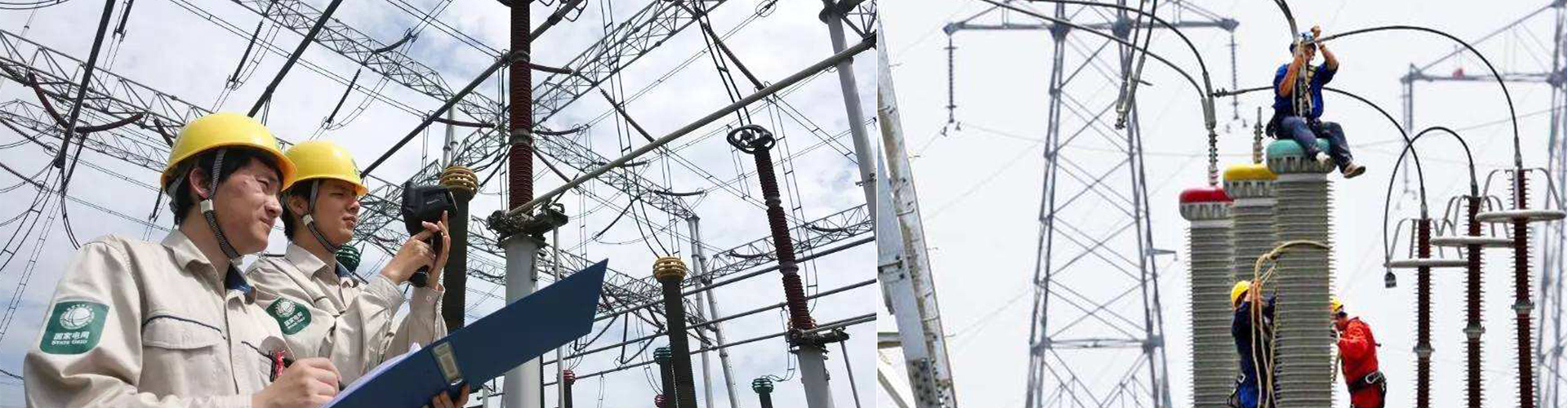
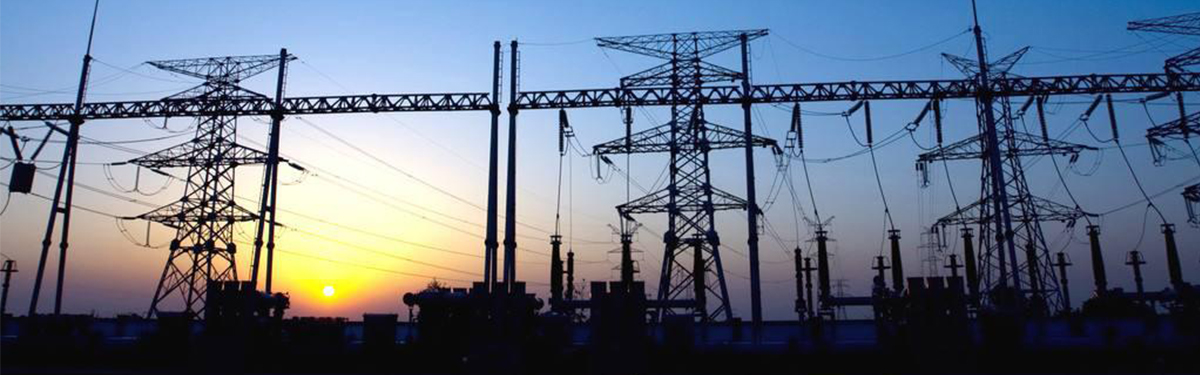
Of course. Here is an outline of an article about grounding system testing for substations, transmission lines, and power plants in power systems:
Grounding System Testing in Power Systems
Abstract
The safe operation of a power system largely depends on the performance of its grounding system. Grounding systems in facilities such as substations, transmission lines, and power plants must be tested regularly to ensure they can effectively direct fault currents to the ground, protecting equipment and personnel safety. This article will provide a detailed introduction to the importance, testing methods, and testing equipment used for grounding system testing in power systems.
Introduction
The grounding system in a power system is a key component to ensure safe operation. When a fault occurs in the power system, the grounding system is responsible for safely directing fault currents to the ground, thereby preventing equipment damage and personal injury. Therefore, regular testing and maintenance of these grounding systems are crucial.
Functions of the Grounding System
Protecting personnel safety: Reduce the risk of electric shock by directing fault currents to the ground.
Protecting equipment: Limit the damage caused by fault currents to equipment.
Improving system stability: Enhance the stability of the power system by reducing voltage fluctuations and overvoltages.
Importance of Grounding System Testing
Ensuring compliance: Adhere to relevant safety standards and regulatory requirements.
Preventing faults: Reduce the occurrence of equipment failures by promptly identifying and resolving issues.
Extending service life: Regular maintenance can extend the service life of power equipment.
Grounding System Testing Methods
Ground Resistance Testing:
Four-terminal method: Uses auxiliary electrodes and measurement electrodes to eliminate the influence of contact resistance, providing more accurate measurement results.
Three-terminal method: Suitable for smaller grounding systems, but may be affected by contact resistance.
Soil Resistivity Testing:
Wenner four-terminal method: Calculates soil resistivity by measuring voltage drops at different spacings.
Probe method: Suitable for situations where it is difficult to arrange auxiliary electrodes.
Grounding System Testing Equipment
Large ground grid tester: Suitable for testing large grounding systems such as substations and transmission lines.
Handheld ground resistance tester: Lightweight and portable, suitable for testing small grounding systems.
Soil resistivity tester: Equipment specifically used to measure soil resistivity.
Application Cases
Substation grounding system testing: Regularly test the grounding system of substations to ensure it can effectively handle fault currents.
Transmission line tower grounding testing: Ensure that the grounding systems of transmission line towers meet safety standards.
Power plant grounding system evaluation: Conduct a comprehensive evaluation of the grounding system in power plants, including the grounding of key equipment such as generators and transformers.
Testing Steps
Site preparation: Ensure the safety of the test site, arrange auxiliary electrodes and measurement electrodes.
Connecting test equipment: Connect the tester to the electrodes and set appropriate test parameters.
Conducting the test: Start the tester to take measurements and record data.
Data analysis: Analyze the test results to determine whether the performance of the grounding system meets requirements.
Conclusion
Grounding system testing in power systems is an important maintenance activity that ensures the safe operation of power facilities. By regularly testing ground resistance and soil resistivity, accidents caused by poor grounding can be effectively prevented, ensuring the reliability of the power system and the safety of personnel.
The above is an overview of grounding system testing for substations, transmission lines, and power plants in power systems. If you need more detailed information or have specific application scenarios you would like to understand, please feel free to let me know, and I would be happy to help.

